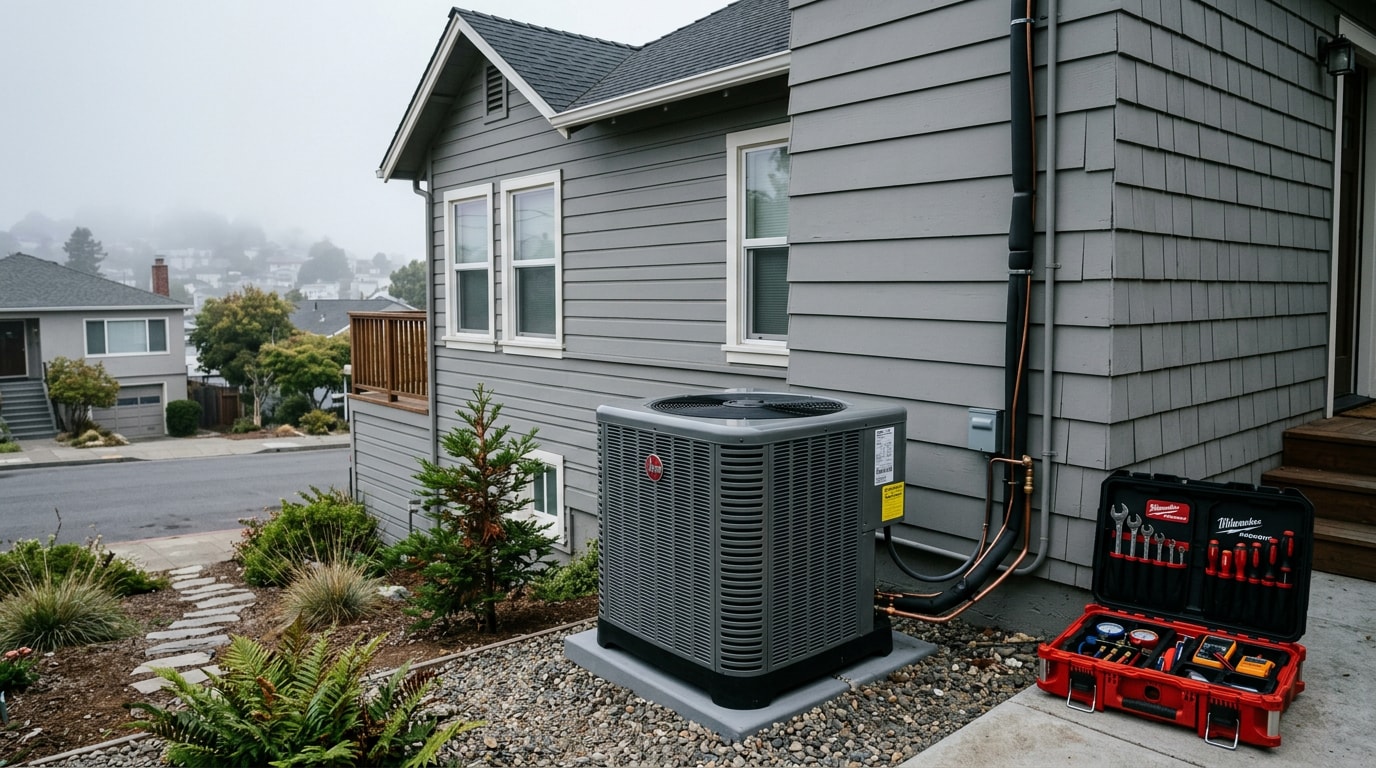
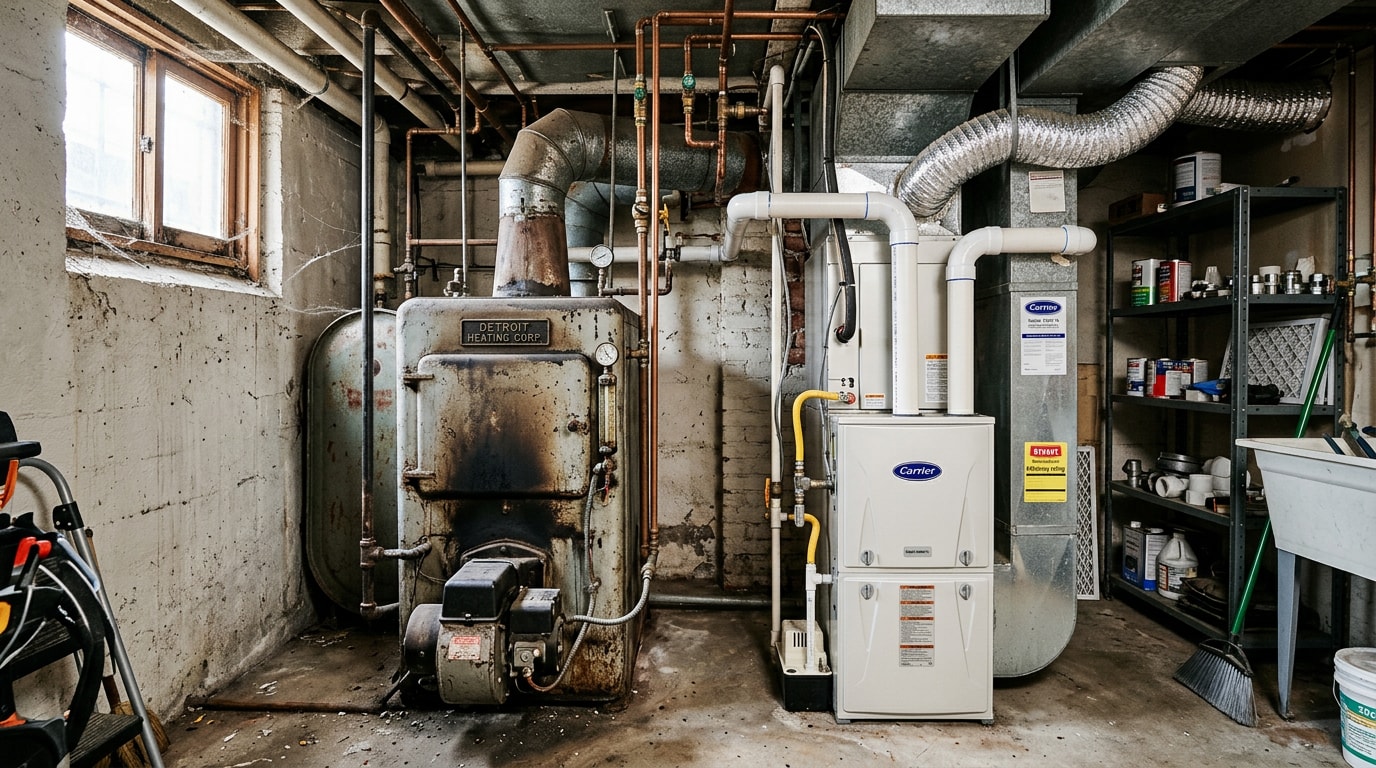
An oil heating system in San Francisco, CA is rare today, but it isn't obsolete, and deciding whether to repair, replace, or walk away from one now carries extra weight. Bay Area regulators are phasing out new gas furnace sales by 2029, which changes the math on every fuel-type decision homeowners make over the next few years. This guide breaks down the real pros, cons, and 2026 costs, plus the regulatory wrinkle most local guides skip.
Oil Heat Pros and Cons in San Francisco Homes
Oil furnaces are uncommon within San Francisco proper, since most of the city runs on natural gas or electric heat. You'll still find them in some older homes, rural pockets of the greater Bay Area, and properties without easy gas-line access. Before deciding whether to repair an aging oil system or replace it outright, weigh the tradeoffs below.
Oil Heat Pros
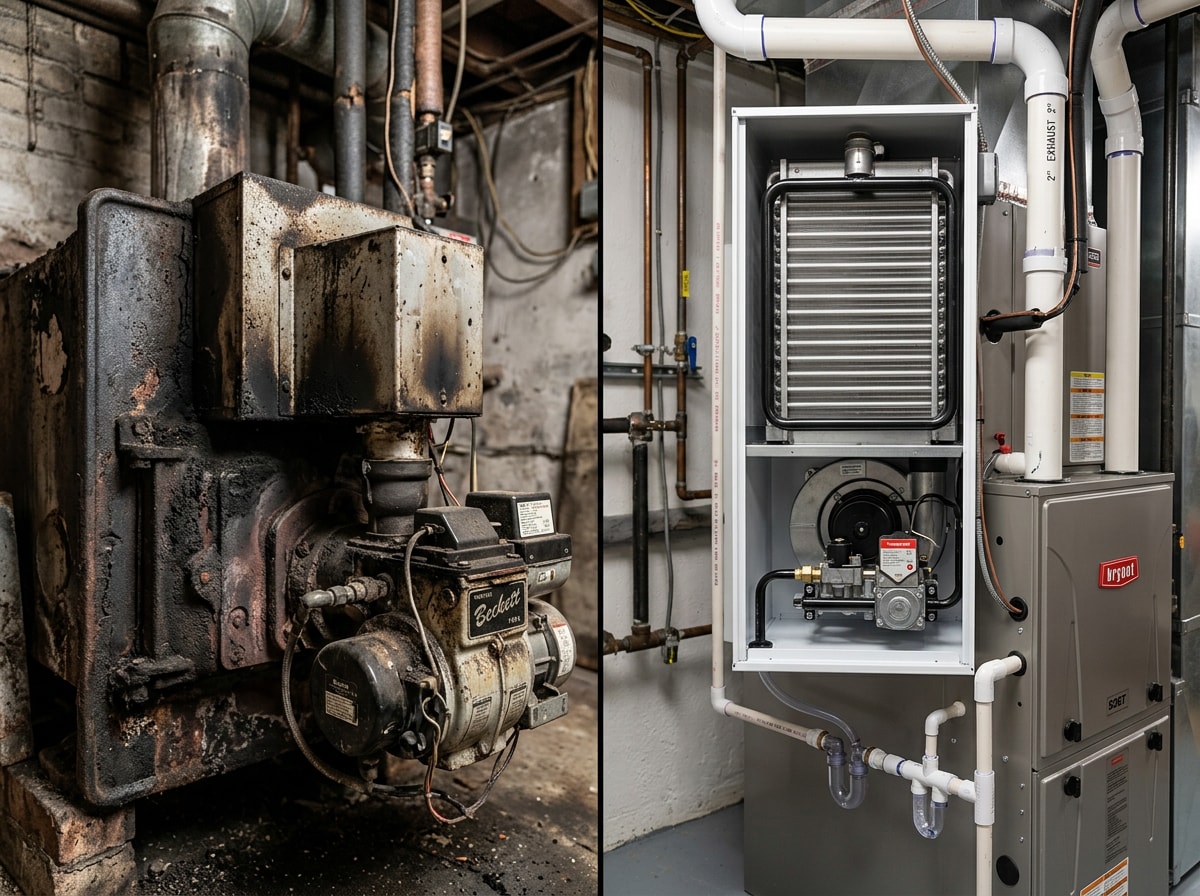
- Early warning signs. A malfunctioning oil furnace typically produces visible smoke, soot, or a distinct odor well before it stops working, giving homeowners a heads-up that gas systems don't always provide.
- Long service life with upkeep. Oil systems can run for decades with consistent maintenance, and strong BTU output per cycle translates to noticeably high heat in cold snaps.
- No pressurized gas line. Because oil doesn't rely on piped gas infrastructure, homeowners aren't exposed to the same supply disruptions, and some owners consider the absence of a pressurized line a modest safety advantage.
In the handful of oil-furnace service calls our crew still runs each winter across San Francisco's older housing stock, the soot smell is almost always the first sign something's wrong, usually weeks before the unit fails outright. If you're comparing options for an aging system, a Heating Contractor can walk through which advantages actually apply to your specific home.
Oil Heat Cons
- Lower efficiency ceiling.
Oil furnaces generally peak lower, with most models falling between 81% and 87% AFUE , and the federal minimum AFUE standard for an oil furnace is 83%, while gas furnaces in Northern states must achieve 95% AFUE and Southern states need at least 90% to qualify for Energy Star. You can confirm current efficiency tiers through Carrier's AFUE reference guide.
- More hands-on upkeep. Oil demands periodic restocking from a delivery service, soot buildup that requires regular cleaning, and a storage tank that eats into basement or yard space.
- Shrinking service network. Fewer HVAC companies in the Bay Area service oil equipment today, which can mean longer waits for routine maintenance or emergency repair work.
These disadvantages are the main reason oil has become a shrinking share of the local heating market, and why most San Francisco homeowners replacing an oil system switch to gas or electric instead.
Is an Oil Heating System Worth It in San Francisco?
Oil heat tends to make the most sense for larger homes, properties without a gas hookup, or owners who already have a working system and aren't ready to replace it. For most other San Francisco households, gas and electric options still win on efficiency and long-term fuel costs.
There's a national cost angle that rarely shows up in local guides. EIA's Winter Fuels Outlook, released October 15, 2025, forecasts that households heating primarily with oil will spend an average of $1,390 for the season, down 8% from the prior winter . That forecast assumes heating oil prices will average about $3.50 per gallon, 4% less than last winter . Those swings track crude oil markets, something gas and electric customers in San Francisco simply don't deal with to the same degree.
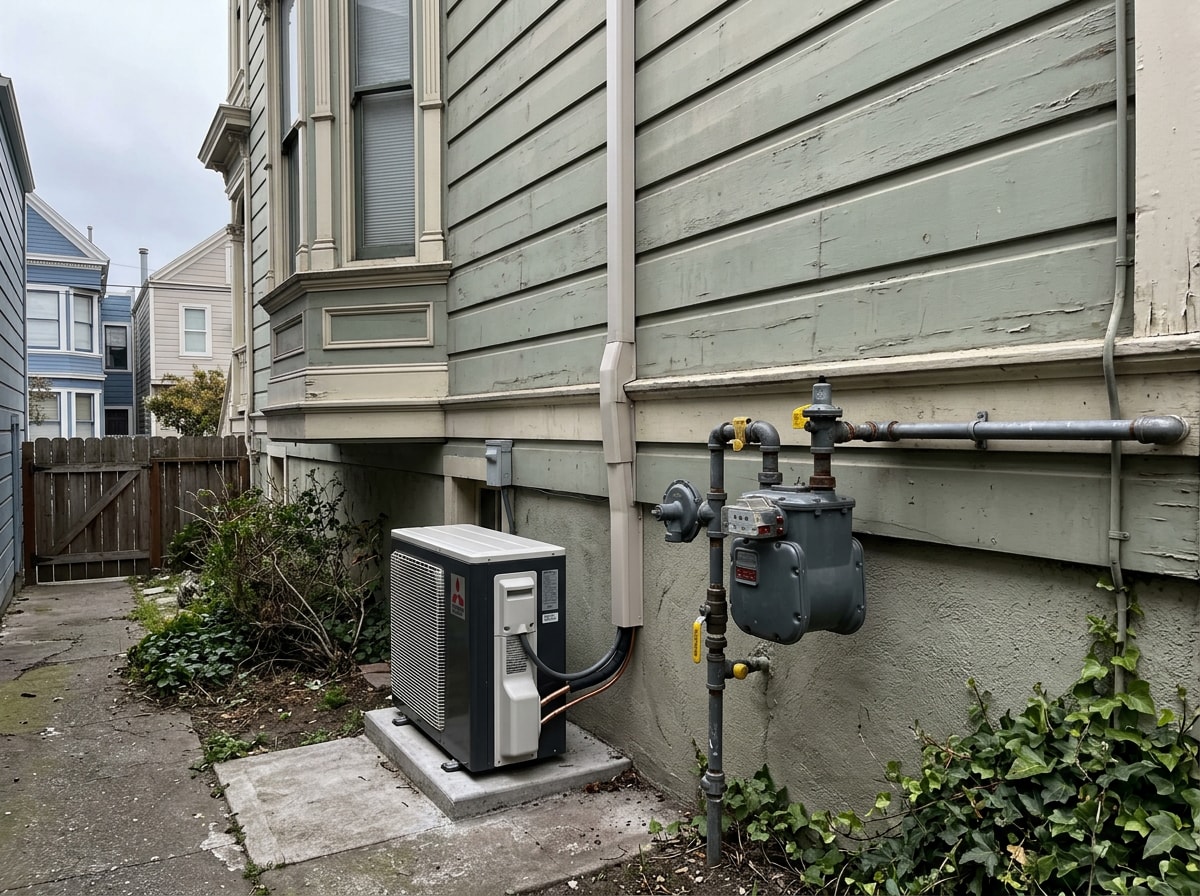
There's also a regulatory wrinkle that makes this decision more urgent than it looks on paper. The Bay Area's building appliance rules include zero-NOx emissions standards with implementation dates beginning in 2027, 2029, and 2031, depending on size and equipment type, and these new requirements apply only upon burnout of one's current equipment . Existing gas and oil systems already installed don't have to be removed; the rules apply to new unit sales going forward. You can read the rule timeline directly on BAAQMD's building appliances page.
That timeline matters for anyone comparing fuel types right now. A homeowner installing new equipment today still has a real choice between oil, gas, and electric, but that window for new gas installations is closing over the next few years, which may push more Bay Area homes toward electric heat pumps regardless of what today's search results suggest. Not sure if your current setup can make it through another winter? Get a free estimate before you have to decide under pressure. Homeowners outside the city limits can check coverage on our San Francisco, CA area page.
2026 Furnace and Oil-Heating Cost Factors in San Francisco
Furnace and oil-heating costs in the city swing widely based on home size, fuel type, and efficiency rating. Two local cost sources report very different numbers for what is nominally the same job, and reconciling why matters more than either figure alone.
Home Size
San Francisco's mild climate means most homes need less raw heating capacity than colder regions. Most homes in San Francisco need 40 to 45 BTUs per square foot, but it's best to have a pro size your system for you.
That lower requirement keeps unit sizing, and often installation costs, more moderate than national averages. A correctly sized system also avoids the inefficiency of an oversized furnace cycling too often, which is why BTU calculations should always start with an accurate load assessment rather than a generic unit price.
Fuel Type
Fuel type is one of the biggest cost swings in any furnace quote. Electric furnaces cost half as much as gas furnaces and will be more valuable in the long run , while oil and propane furnaces are rare in the area and cost even more than gas furnaces once you factor in equipment and venting differences.
That pricing gap is a major reason oil furnace installations have become uncommon in the city proper. Homeowners weighing fuel options should request itemized quotes by fuel type before comparing bids, since differences in equipment and venting can outweigh brand or efficiency-rating differences entirely. A Furnace Installation quote should spell out exactly what's included for your specific fuel source.
Fair Price Breakdown
Local cost data diverges sharply depending on the source, which is exactly why a side-by-side read matters.
| Source | Reported Range | Likely Scope |
|---|---|---|
| Angi (local SF data) | $3,047–$7,200 (avg. ~$5,079) | Full installation: unit + labor + materials |
| Homeyou (local SF data) | $1,599–$1,756 | Labor/partial scope only |
| Angi (national, oil furnace) | $3,800–$10,000 | Unit + standard installation, all climates |
New furnace costs in San Francisco average $5,079, and most projects total between $3,047 and $7,200 , according to Angi's local cost data. Homeyou cites an average furnace replacement cost in San Francisco of $1,599 to $1,756, varying from $1,520 to $1,835 , numbers that likely reflect labor-only or partial-scope estimates rather than a full installation. Angi's national cost guide separately lists oil furnaces at $3,800 to $10,000 , which lines up with the "costs more than gas" pattern local data shows.
The takeaway: always ask for a price breakdown in writing so you know whether a quote covers the whole job or just a portion of it. That's the only way to judge one bid against another. For a closer look at what a full swap actually involves, see our furnace replacement guide for Los Altos homeowners, which walks through the same scoping questions that apply across the Bay Area.
About the Author
This guide was written by Segundo Sanchez, owner of Air Control Mechanical and a California-licensed C-20 (Warm-Air Heating, Ventilating and Air Conditioning) contractor. Our crew handles heating calls across San Francisco's older housing stock, including the oil-to-gas and oil-to-electric conversions that come up in pre-1970s homes. Questions about your specific setup? Contact Air Control Mechanical directly.
FAQ
Which Is Safer: An Oil or a Gas Furnace?
Oil furnaces generally give clearer warning signs of a malfunction, like soot, smoke, or odor, while gas furnaces carry the risk of an undetected leak. Neither fuel type is inherently unsafe when properly maintained; the difference comes down to how early a problem becomes noticeable.
How Long Does an Oil Furnace Last?
A well-maintained oil furnace typically lasts 15 to 25 years, occasionally longer with meticulous servicing. Fuel quality, tank condition, and how consistently it receives professional maintenance all affect that range far more than the model or brand does.
Is Oil Heat Cheaper Than Gas in San Francisco?
No, not for new installations. Electric furnaces cost half as much as gas furnaces , and oil systems cost more than gas once equipment and venting are factored in. Oil can still make financial sense if you already own a working system and aren't ready to replace it.
How Much Does It Cost to Replace an Oil Furnace in San Francisco?
Expect a wide range depending on scope. Local full-installation quotes in San Francisco commonly land between $3,047 and $7,200, while national data for oil-specific installations runs $3,800 to $10,000. Get at least two itemized quotes before committing, since labor-only estimates can look deceptively low.
How Can I Choose the Right Furnace Replacement in San Francisco?
Start with your home's square footage and insulation quality, then match that to San Francisco's local BTU guidelines rather than a generic national sizing chart. Weigh fuel-type availability and local service support before committing to a quote, and confirm whether the number you're given covers the full job.
Can You Still Install an Oil or Gas Furnace in the Bay Area?
Yes, for now. The regional rule only restricts new gas furnace sales starting in 2029, and existing systems don't need to be removed. Homeowners today still have that option, though it's worth discussing long-term fuel plans with a heating contractor before committing to new equipment.