Hiring HVAC mechanical contractors in San Mateo, CA means sorting through licensed pros, directory listings, and handyman side-jobs that all claim the same expertise. California's C-20 license, EPA refrigerant rules, and local permit requirements create real gaps between contractors who protect you and ones who leave you exposed. Here's exactly what to check, in order, before anyone touches your system.
What Makes a Quality HVAC Mechanical Contractor in San Mateo County
In California, "HVAC contractor" and "mechanical contractor" get used almost interchangeably. Technically, HVAC work falls under the broader mechanical trade umbrella, but for homeowners the label matters less than finding someone who actually knows San Mateo County homes.
Coastal humidity, salt air, and a housing stock that skews older than much of the rest of the Bay Area all affect how HVAC systems perform here. A contractor with real local experience knows how to size equipment for marine-layer temperature swings and spot ductwork issues common in homes built before modern insulation codes.
At Air Control Mechanical, our technicians are C-20 licensed and EPA 608 certified, and we've pulled mechanical permits in both the City of San Mateo and unincorporated San Mateo County on the same week more than once. That local paperwork experience is the first filter worth applying, before you even get to a license lookup.
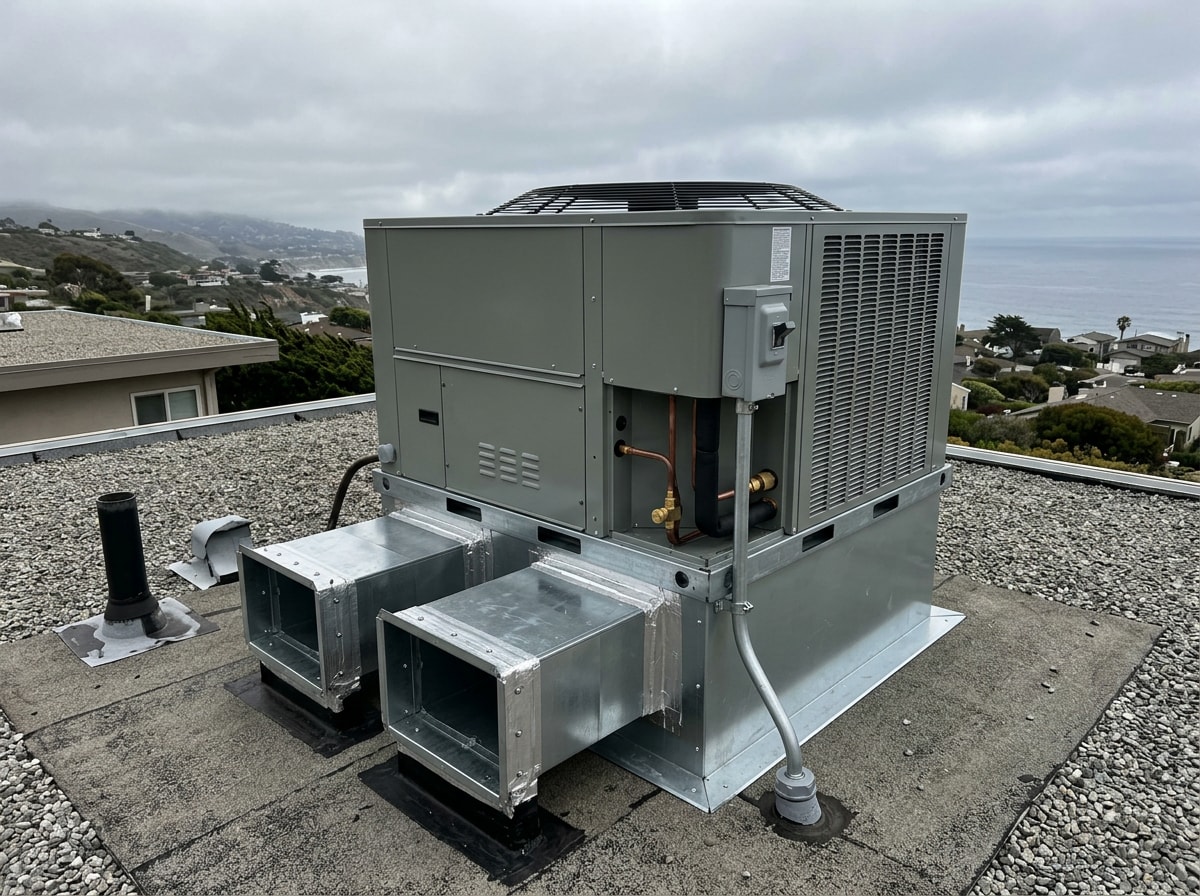
If you're comparing options, start with the full range of services under our HVAC contractor page rather than the first ad you see online.
Verify Licensing and Certification Requirements
Every legitimate HVAC contractor operating in California must hold an active C-20 Warm-Air Heating, Ventilating and Air-Conditioning Contractor license issued by the Contractors State License Board. This is non-negotiable. There's no exception for "handyman" pricing or side jobs.
Before discussing anything else with a prospective contractor, confirm this license exists and is current.
EPA Certification for Refrigerant Handling
Any technician who touches refrigerant during a repair, a recharge, or a full system replacement is legally required to hold EPA Section 608 certification. This is a federal credential, separate from the state contractor license. It proves the technician has been trained in safe refrigerant handling and leak-prevention practices under the Clean Air Act.
There are four certification types, but most residential work calls for Type II (high-pressure appliances) or Universal certification, which covers all equipment types. According to the EPA regulations under Section 608 of the Clean Air Act require that technicians who maintain, service, repair, or dispose of equipment that could release ozone depleting refrigerants into the atmosphere must be certified . If a contractor can't produce proof of this, that's reason enough to keep looking. See our air conditioning repair services for what certified refrigerant work actually involves.
How to Verify a License in Under Two Minutes
You can verify a contractor's license status quickly using the CSLB's free online lookup tool. Just enter the business name or license number to confirm active status, correct classification, and current bond and workers' comp coverage.
Here's what each field on the results page tells you:
| CSLB Field | What It Should Show |
|---|---|
| License Status | "Active" — not "Inactive," "Suspended," or "Revoked" |
| Classification | "C-20" specifically — a general B contractor license doesn't legally cover HVAC work |
| Bond | A current contractor bond on file (the state minimum is $25,000) |
| Workers' Comp | A current policy, not "exempt," unless the contractor genuinely has no employees |
Run this check through the CSLB's official Check a License tool before you schedule any estimate.
Red Flags to Watch For When Hiring an HVAC Contractor
Even licensed contractors can engage in sloppy or predatory sales practices. Licensing checks alone aren't enough.
A handful of warning signs show up again and again:
- An unusually low bid that undercuts every other quote by a wide margin, which often means corners get cut on materials, permits, or labor hours
- Pressure to sign the same day, before you can compare other quotes
- Vague explanations of what's actually wrong with your system
- Unsolicited door-to-door sales pitches, especially after a heat wave or cold snap
- A refusal to put the scope of work and equipment model numbers in writing
None of these alone is automatically disqualifying. Two or more together is a legitimate reason to walk away. If your system has already failed and you need someone today, our emergency HVAC repair team is a faster, more accountable option than whoever knocks on your door first. Otherwise, request a free estimate and compare it against at least one other quote before you sign anything.
Do You Need a Permit for HVAC Work in San Mateo County?
Which Contractor Pulls the Permit — You or Them?
A licensed contractor should always pull the mechanical permit themselves, not ask you to do it. If a contractor hesitates, offers to skip the permit "to save money," or suggests you file it yourself, they're shifting legal and financial risk onto you. The homeowner is the one left liable if the work doesn't pass inspection.
Permit requirements and fee schedules differ depending on whether your property sits inside city limits or in unincorporated San Mateo County, and fees are typically based on project valuation rather than a flat rate. Building permit fees vary according to the type of construction, and general building permit fees are based on the valuation of the project . Always confirm current figures directly with the City of San Mateo Building Division before you budget a project.
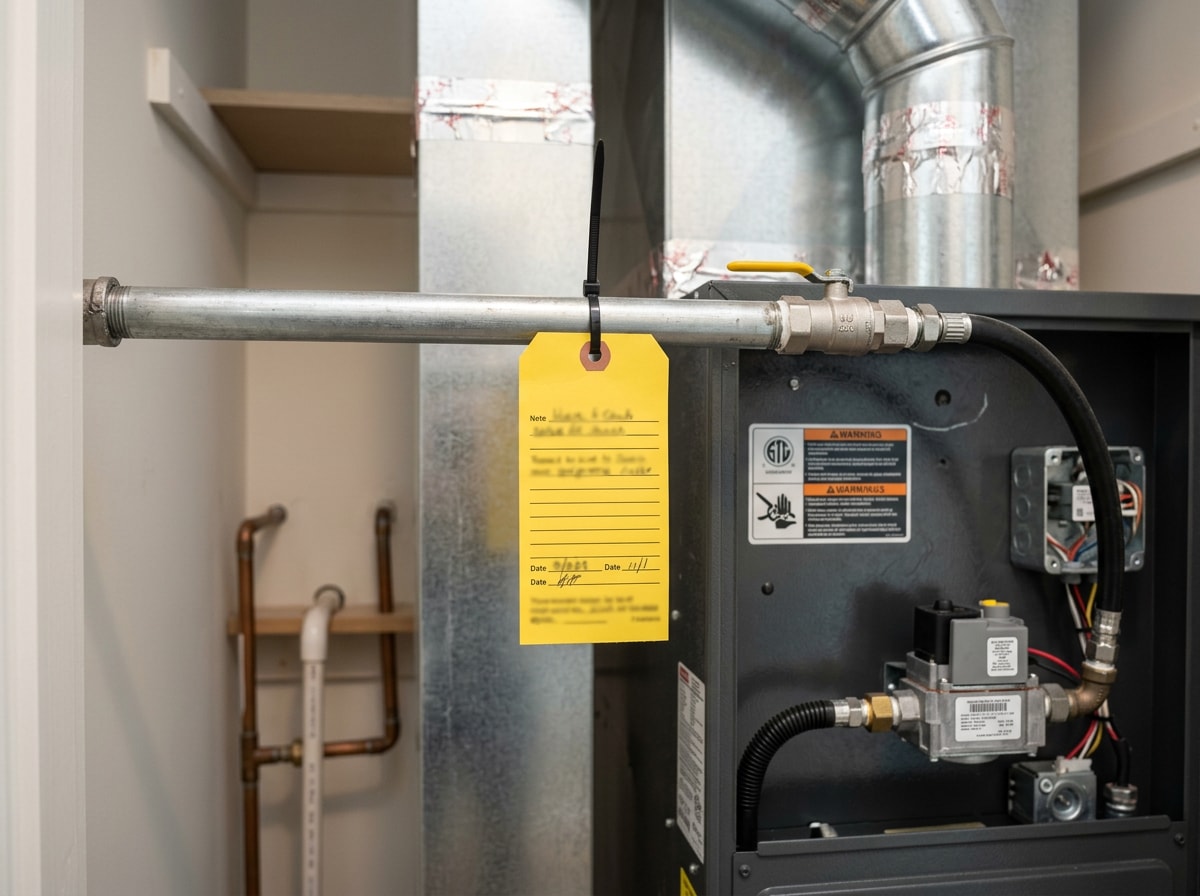
What Happens If Your HVAC Was Installed Without a Permit?
Skipping the permit requirement can create problems years after the install. Unpermitted work frequently complicates an insurance claim if damage or fire later traces back to the system.
It also becomes a resale disclosure issue. Buyers' inspectors routinely flag unpermitted mechanical work, which can delay closing or force a price renegotiation. Many utility rebate programs also require proof of a permitted installation, so skipping this step can quietly cost you money twice. If your system is old enough that replacement is coming up anyway, our HVAC system replacement page walks through how permitted replacements are scoped and inspected.
What HVAC Contractor Costs Actually Reflect
Quoted labor rates in the Bay Area look higher than national averages for a reason: technician pay here runs well above the national median. The median annual wage for heating, air conditioning, and refrigeration mechanics and installers was $61,010 in May 2025 , according to the U.S. Bureau of Labor Statistics, and the lowest 10 percent earned less than $40,050, while the highest 10 percent earned more than $95,210 .
A quoted hourly rate from a licensed shop isn't the same as that technician's wage. It also covers vehicle costs, insurance, warranty labor, dispatch, and the overhead of carrying EPA-certified staff and a current CSLB bond. That's part of why a bid that comes in far below every other quote should raise questions rather than excitement. For a full breakdown of what drives pricing on permitted installations, our HVAC estimate and permit guide for Pleasanton covers the same cost drivers that apply across San Mateo County.
Areas We Serve Near San Mateo
We handle licensed HVAC, heating, and air conditioning work throughout the Peninsula, including San Mateo, CA, San Carlos, CA, South San Francisco, and Santa Clara. If your furnace is original to a mid-century home, it's worth comparing furnace replacement options before the next cold snap rather than after it fails.
Start with our homepage to see the full list of services, or go straight to contact us for a free, no-pressure estimate.
FAQ
What Is the Difference Between a Mechanical Contractor and an HVAC Contractor?
An HVAC contractor is a specialized type of mechanical contractor focused specifically on heating, ventilation, and air conditioning systems. The broader mechanical contractor category also includes plumbing, piping, and refrigeration work. In practice, the HVAC mechanical contractor definition describes someone who specializes in climate-control systems rather than every mechanical trade.
Is a Mechanical Contractor the Same as a General Contractor?
No. A general contractor oversees an entire construction project across multiple trades. A mechanical contractor focuses on one aspect of a building's function, typically HVAC, plumbing, or both, and is brought in to design, install, or repair those specific systems rather than manage the whole job.
How Much Does It Cost to Hire an HVAC Contractor in California?
Costs vary widely by job scope, equipment brand, ductwork condition, and site access, so any flat number you see online is a rough placeholder, not a quote. Bay Area labor rates run above the national average in part because technician wages here are higher than the US median. Get a written, itemized estimate before comparing contractors rather than relying on a phone quote.
What Is EPA Section 608 Certification and Why Does It Matter?
EPA Section 608 is a federal requirement, not a state one, so it applies to every refrigerant-handling technician nationwide regardless of local licensing rules. It exists to prevent ozone-depleting refrigerants from being released improperly during service or disposal, protecting both technicians and the environment.
Do I Need a Permit to Replace My HVAC System in San Mateo County?
In almost all cases, yes. A straight like-for-like swap of equipment in the same location typically still requires a mechanical permit. Your contractor should pull it, not you. Confirm specifics with the City of San Mateo Building Division or San Mateo County planning office for your specific property.
How Do I Check If an HVAC Contractor's License Is Actually Active?
Use the CSLB's free Check a License tool. Search by business name or license number and confirm the status reads "Active," the classification shows "C-20," and the bond and workers' compensation sections are current rather than expired or exempt.