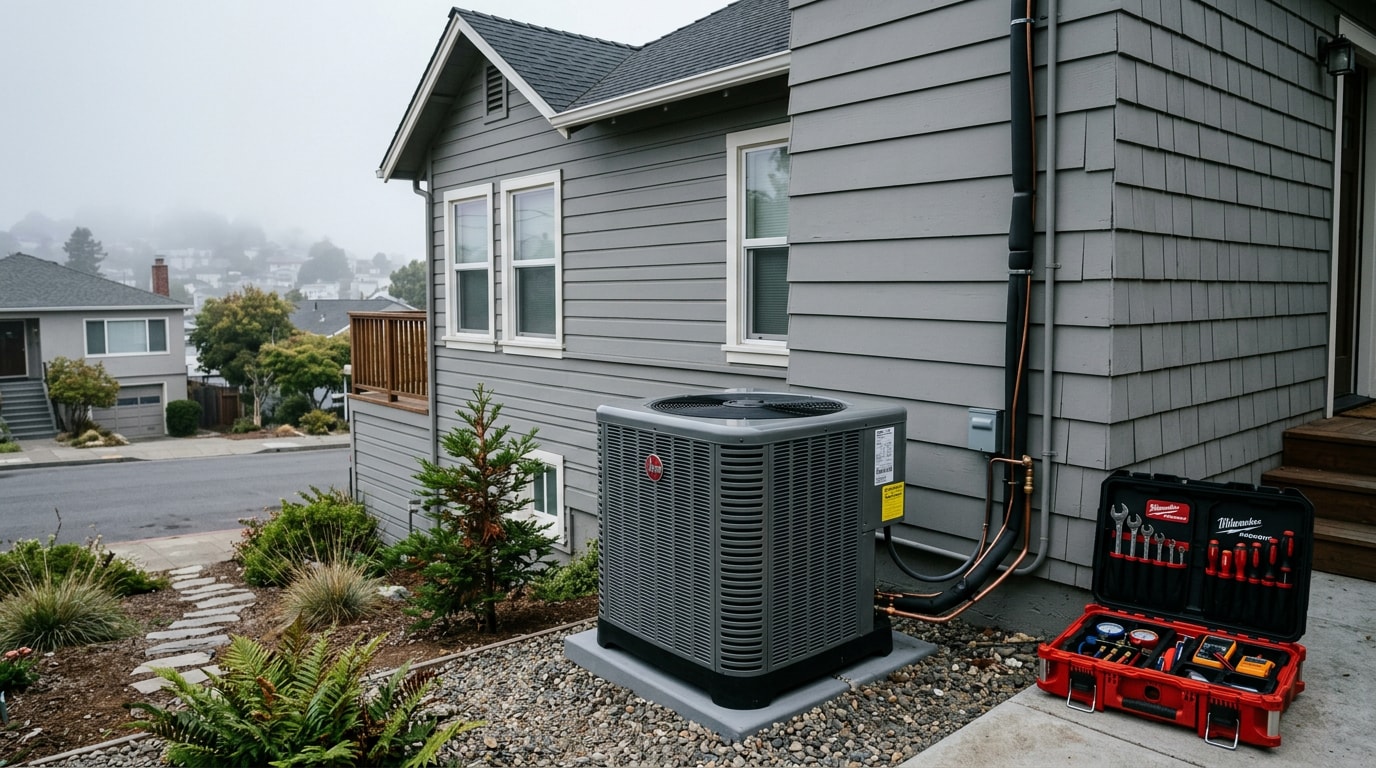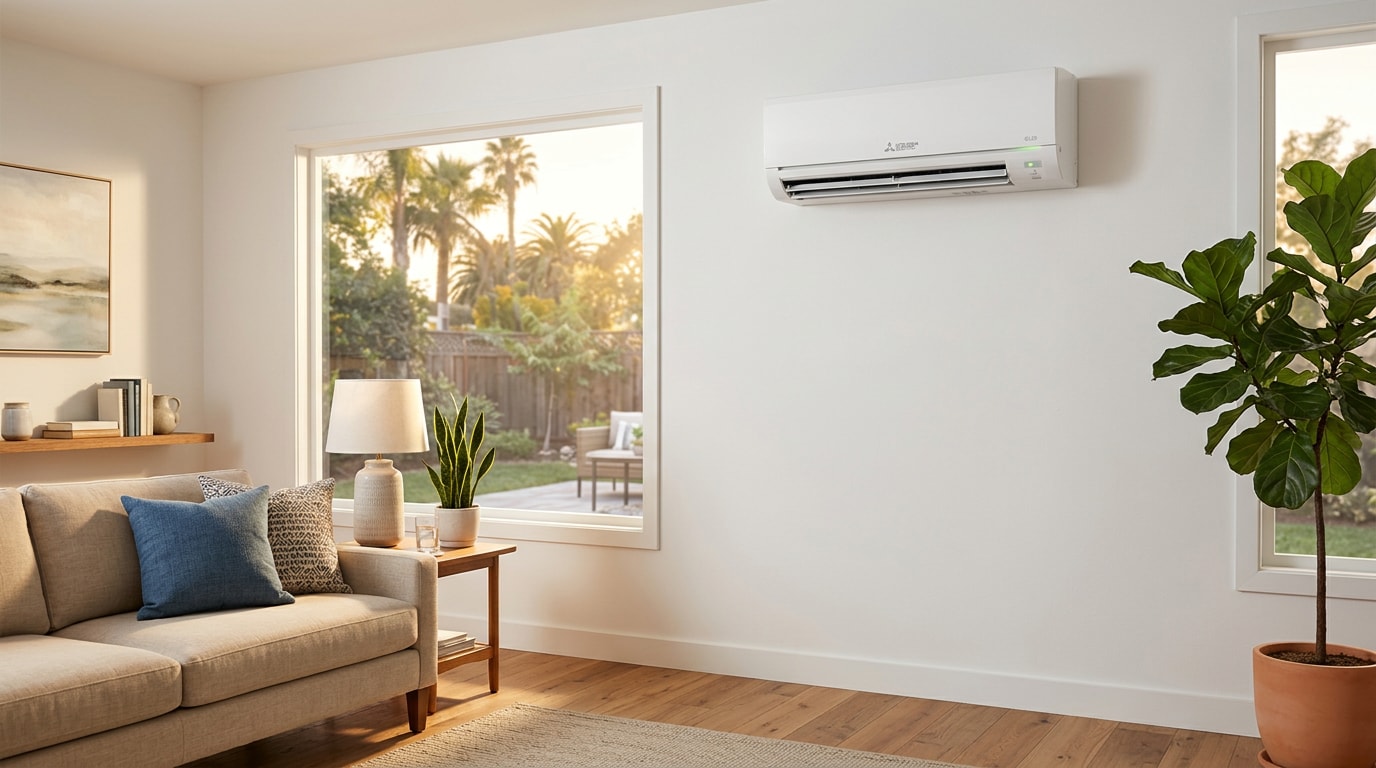
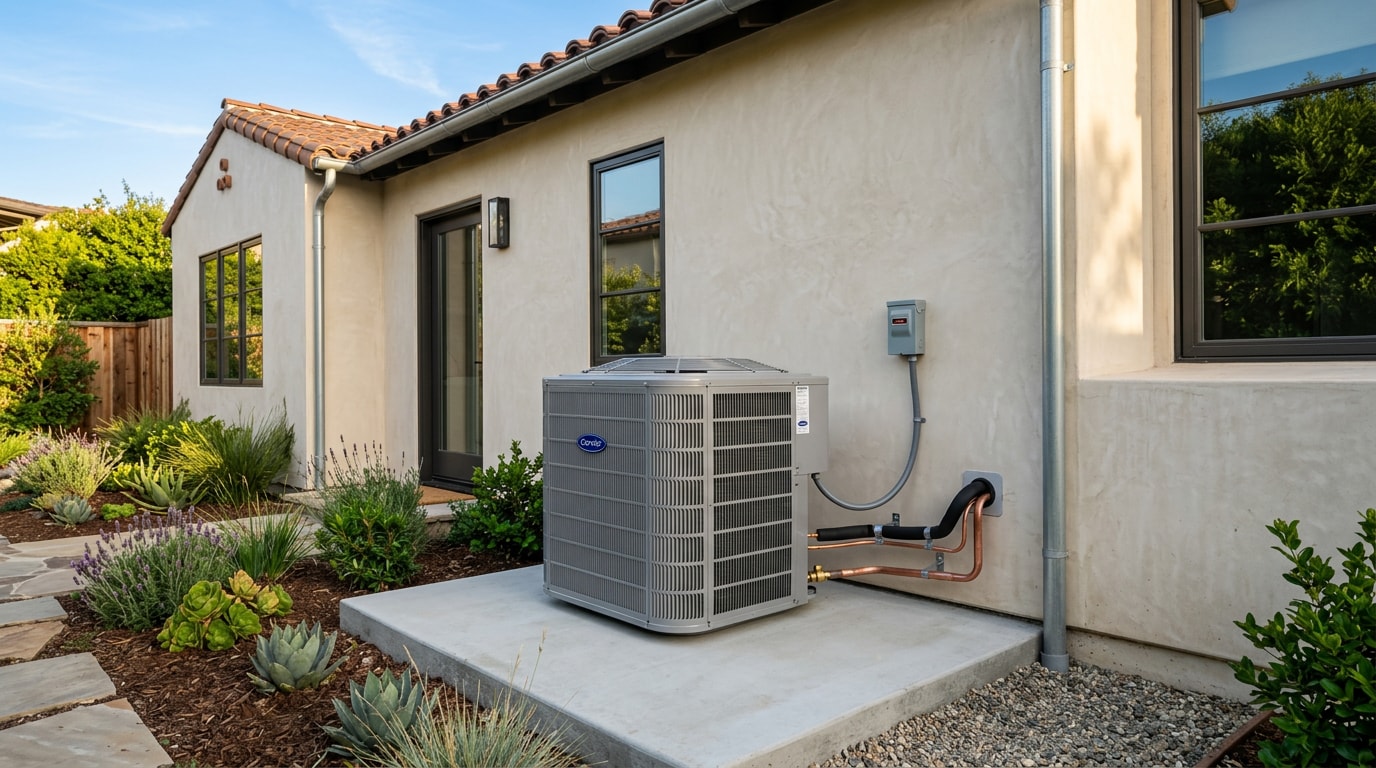
An hvac estimate Pleasanton, CA homeowner can trust has to account for triple-digit Tri-Valley summers, cool valley nights, and city permit rules that national cost calculators skip entirely. Prices below reflect 2026 installed-cost ranges plus the local factors that push a quote higher or lower. Here's what a complete, itemized estimate should actually include before a technician ever touches your system.
HVAC Estimate & Installation Costs in Pleasanton, CA
Pleasanton's climate means most homes need a properly sized heating and cooling combo, not just a single unit swap. The ranges below reflect typical Bay Area installed costs; your exact number depends on tonnage, ductwork condition, and the permit fees covered further down.
| System Type | Typical Installed Cost |
|---|---|
| Heat Pump | $6,500–$14,500 |
| AC Installation | $4,500–$9,500 |
| Furnace Replacement | $4,000–$8,500 |
| Dual Fuel System | $8,000–$15,000 |
| Ductless Mini Split | $3,500–$8,000 |
| Minor Repairs | $150–$900 |
A free HVAC quote should always reflect your actual home, not a generic average. Heat pump and furnace replacement costs both climb when ductwork needs rework or when permit review adds time at the counter.
Ready to see numbers specific to your home? Explore our HVAC installation services or get a free estimate to request a detailed quote.
What a Transparent HVAC Quote Should Include
A trustworthy estimate is itemized, not a vague lump sum. Look for these line items before you sign anything:
- Equipment cost, broken out from labor
- Permit and inspection fees, listed separately
- Ductwork or electrical work needed to support the new system
- Written warranty terms and what they cover
- A clear start date and estimated completion timeline
An upfront estimate flags potential add-ons, like duct repairs, before work begins rather than after the crew is already on-site.
What Affects HVAC Cost in Pleasanton
Several local variables push a Pleasanton estimate higher or lower than the state average. Older homes often need updated ductwork or added tonnage compared to newer construction built to current energy code. Duct condition, home vintage, and the SEER2 rating you choose all factor into the final number.
Higher-SEER2 equipment costs more upfront but lowers utility bills over time, and the federal incentive math has changed recently. Effective January 1, 2025, split system central air conditioners must meet SEER2 ≥ 17.0 and EER2 ≥12.0 to be eligible for the federal tax credit, a threshold worth confirming with your installer before you assume a system qualifies. Full eligibility details are on the ENERGY STAR federal tax credit page.
System sizing matters just as much as efficiency rating. An oversized or undersized unit wastes energy regardless of its SEER2 number, which is why a proper load calculation, not a rule-of-thumb square-footage guess, should be part of every estimate visit.
Pleasanton HVAC Permits and Title 24 Compliance
Local permit rules are the part most generic cost guides skip entirely. Pleasanton classifies HVAC installation and replacement work as a Residential Trade permit, the same category as water heaters and electric panel upgrades , and it's filed separately from a general building permit.
Most installations also need to meet the state's energy code. Building Energy Efficiency Standards include requirements in the Energy Code, Title 24 Part 6, and the standards are updated every three years , so the version your contractor references should match the current cycle. You can check current requirements directly on the California Energy Commission's building standards page.
A few practical notes from job sites around town: some HOA communities add an architectural-review step for visible outdoor condensers, so check your community guidelines before scheduling installation day. Homes in windier pockets of the Tri-Valley sometimes need a reinforced condenser pad or extra tie-downs, which a good estimate will call out ahead of time rather than as a surprise change order. For permit specifics on your address, the city's permits and fees page can confirm requirements before you book, or you can reach the city directly through its own permit portal.
Signs You May Need HVAC Repair or Replacement
Common signs include:
- Rising energy bills with no change in usage
- Strange rattling or banging noises
- Thermostat malfunctions or inconsistent temperatures
- Frequent breakdowns or repeat service calls
- Visible rust or corrosion on the outdoor unit
- Refrigerant leaks
- Weak or uneven airflow
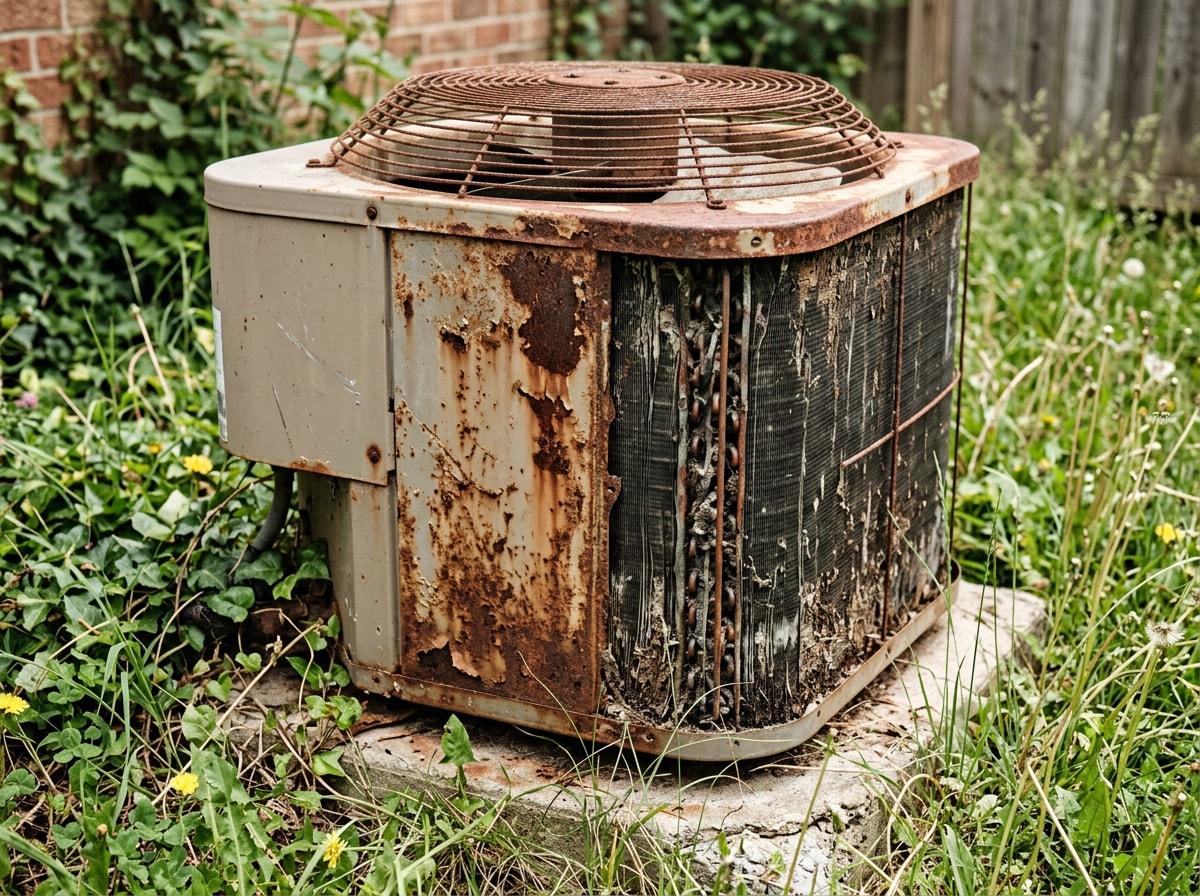
If your system is over 15 years old, repair costs often start outweighing the value of keeping it running. Knowing these signs before calling a contractor helps you request the right type of estimate, repair, or full replacement, instead of paying for a diagnostic visit you didn't need.
Ways to Save Money on HVAC Costs
Not every issue requires a full system replacement. Routine maintenance costs far less than emergency repair or premature replacement, and a few habits stretch a system's life for a fraction of installation pricing:
- Filter replacement: $15–$50, done every 1–3 months
- Condenser coil cleaning: extends compressor life
- Thermostat calibration or repair: catches sizing and cycling issues early
- Ductwork sealing: cuts energy loss before it shows up on your bill
If your furnace is already on its last legs, our furnace replacement guide for Los Altos homeowners walks through the same age-and-repair-cost math that applies across the Tri-Valley. Scheduling routine maintenance before small issues become costly is one of the easiest ways to control HVAC spending long-term.
Popular HVAC Services in Pleasanton
Most estimate requests fall into a handful of categories:
- Furnace repair and furnace replacement
- Air conditioning repair and AC installation
- Heat pump installation and heat pump repair
- Mini-split system installation
- Smart thermostat installation
- Emergency HVAC repair for no-cool, no-heat calls
Why Pleasanton Homeowners Choose a Local, Upfront-Pricing Contractor
Licensing, NATE-certified technicians, written warranty terms, and available financing are the trust signals worth comparing across estimates. A local contractor who already knows Pleasanton's permit counter and common HOA rules can prevent costly mid-project delays that a national chain simply won't catch until it's too late.
Air Control Mechanical provides HVAC contractor services throughout Pleasanton and the surrounding Tri-Valley, with every estimate itemized before work begins. Visit our homepage to see the full range of heating, cooling, and thermostat services we handle, or jump straight to requesting your free estimate.
FAQ
How much does an HVAC estimate cost in Pleasanton?
Most companies, including ours, provide a free estimate for new installations or full replacements. Diagnostic visits for an existing, malfunctioning system may carry a $50–$200 fee, which is usually credited toward the repair if you move forward.
Are HVAC estimates really free?
Generally, yes, for installation or replacement quotes. A paid diagnostic fee usually applies only when a technician needs to troubleshoot an existing system rather than quote new equipment.
Do I need a permit for HVAC replacement in Pleasanton, CA?
Yes. HVAC installation and replacement fall under the city's Residential Trade permit category, filed with the Building and Safety Division before work begins. Most reputable contractors pull this permit for you as part of the job.
What should a written HVAC estimate include?
Equipment cost, labor, permit fees, any ductwork or electrical work, warranty terms, and an estimated timeline, each listed separately rather than bundled into one number.
How long does a typical HVAC installation take?
A straightforward furnace or AC swap usually takes one day. Projects needing new ductwork, electrical upgrades, or permit inspections can stretch to two or three days.
How often should I have my HVAC system inspected?
Most contractors recommend inspections twice a year, in spring and fall. Call sooner if you notice new noises, leaks, or odors.
How can I tell if my system needs repair or full replacement?
A technician evaluates age, efficiency, and repair frequency during your estimate visit. As a rule of thumb, once a system passes 15 years and repair costs start piling up, replacement usually pencils out cheaper over time. Request an estimate to get a professional assessment for your home.