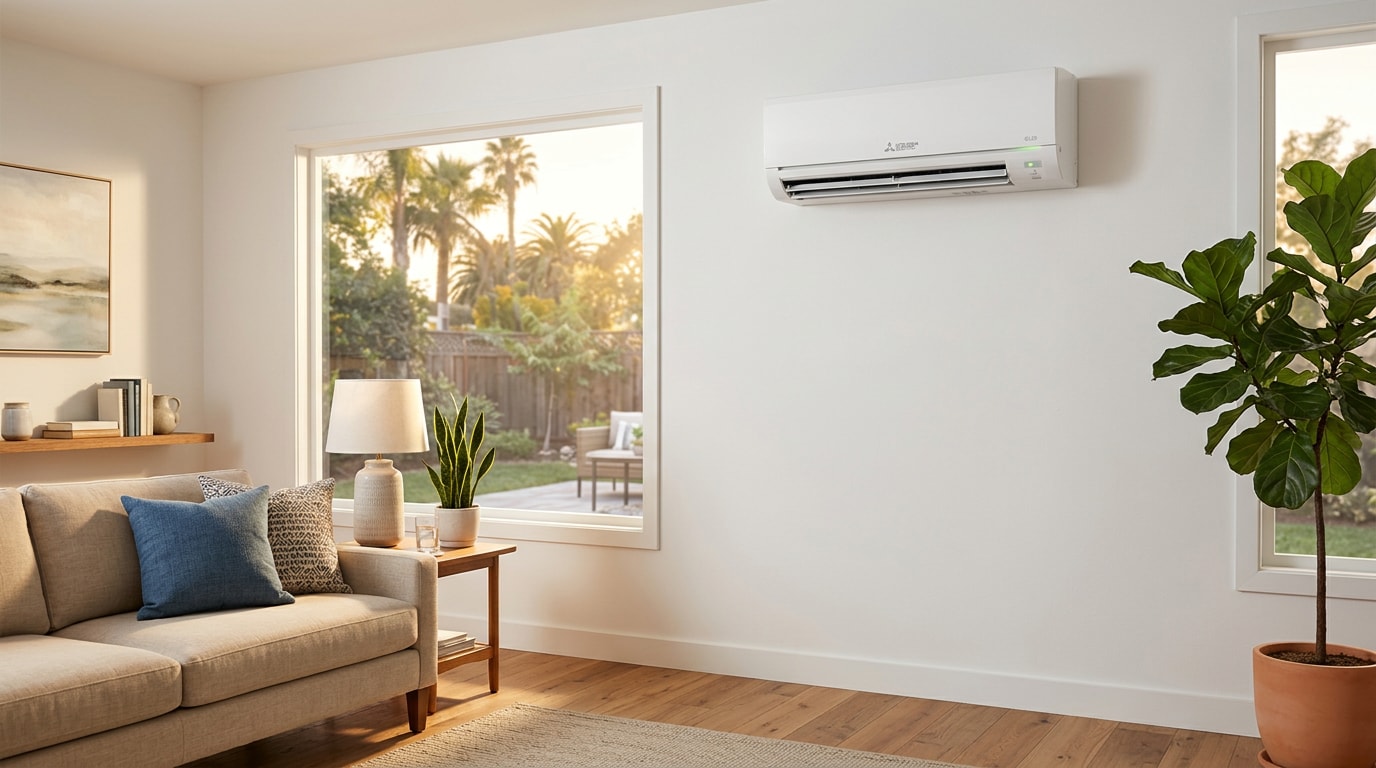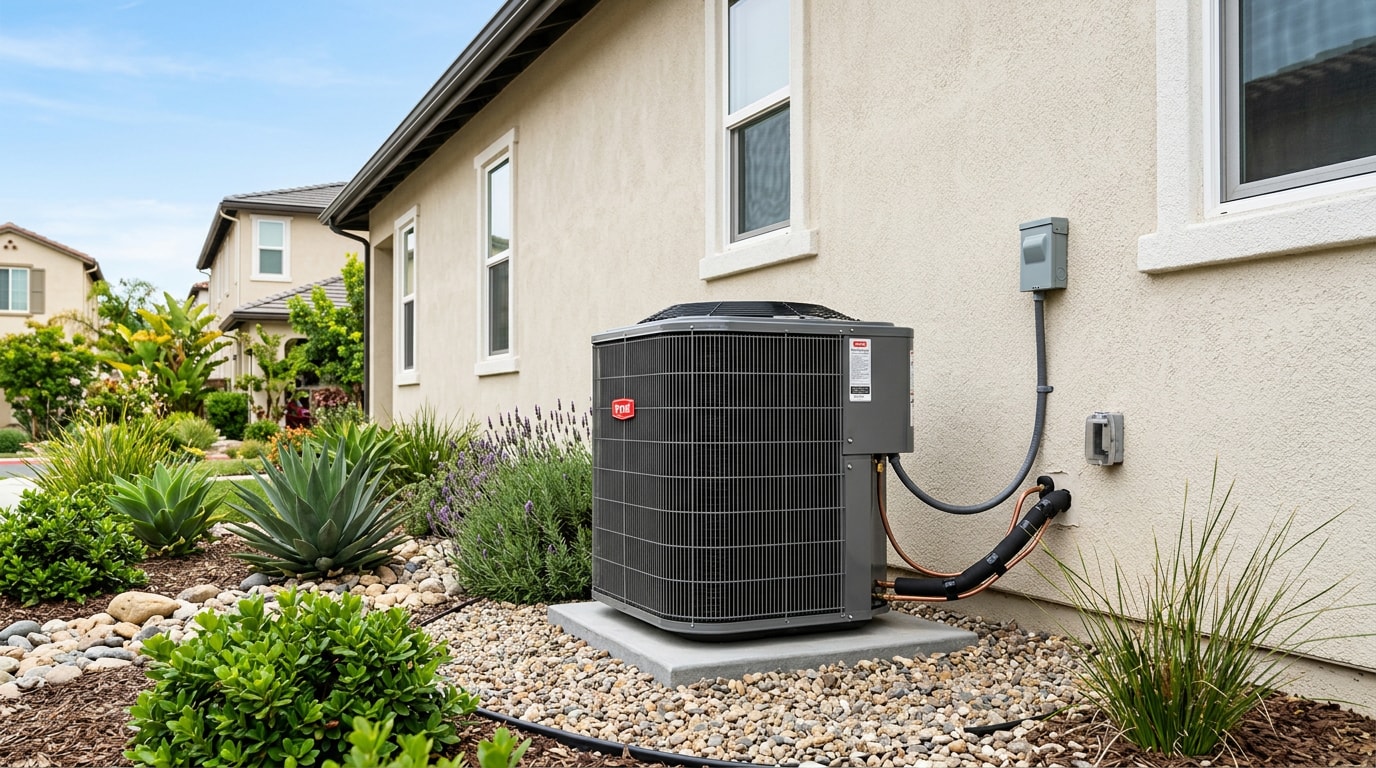
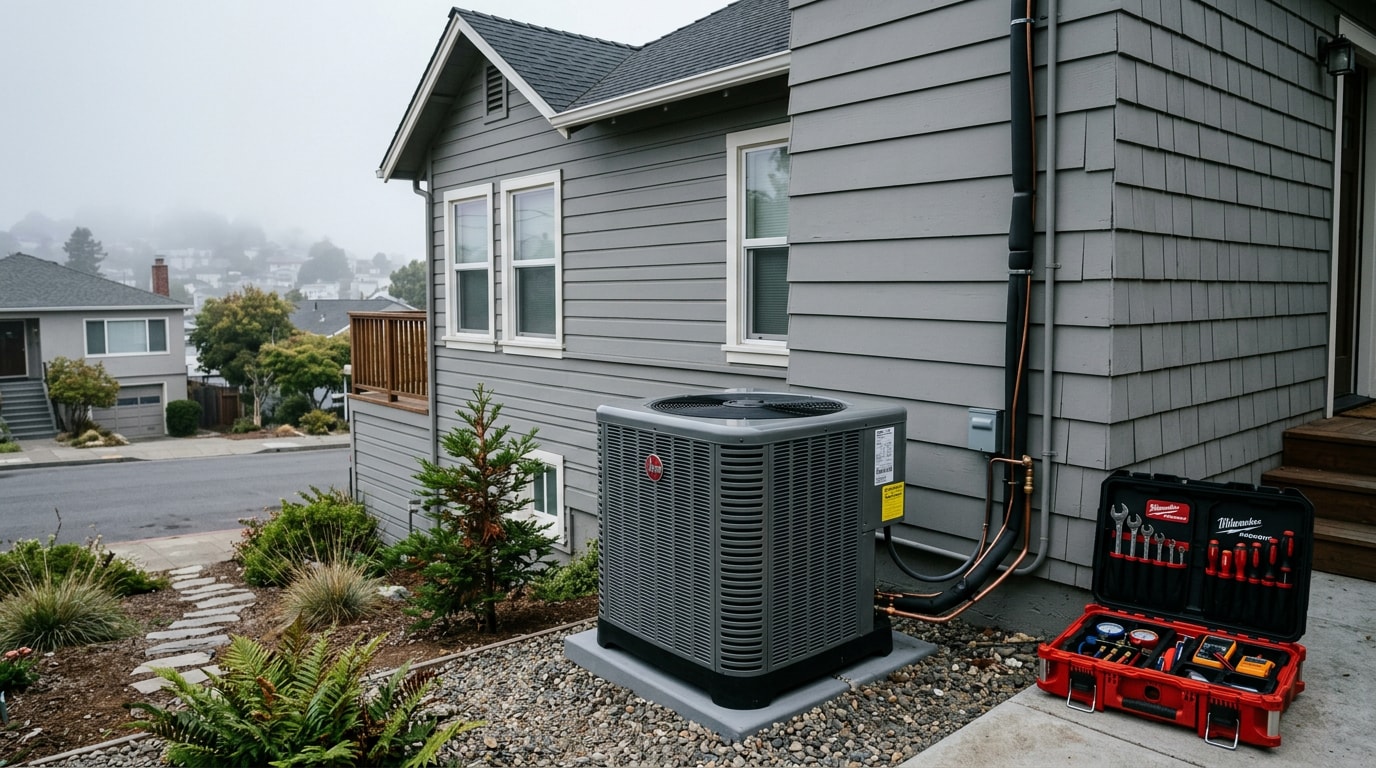
If you typed "heating and air conditioning repair near me" into Google while sitting in a cold living room in South San Francisco, you don't need a history lesson on HVAC. You need a technician who knows why fog-belt homes fail differently than homes inland, and you need a straight answer on cost and timeline. This guide covers both.
Signs You Need Heating or AC Repair Now
South San Francisco's weather doesn't swing to extremes, but the daily fog-to-sun cycle keeps HVAC systems working harder than most homeowners realize. Watch for these warning signs before a minor issue turns into a no-heat or no-cool emergency:
- Furnace short-cycles (turns on and off every few minutes) instead of running a full heat cycle
- Heat pump blows air that feels barely warmer than room temperature
- AC runs constantly but never reaches the thermostat setpoint
- Musty or burning smell when the system kicks on
- Rooms on one side of the house stay noticeably colder or warmer than the rest
- Thermostat screen is blank, unresponsive, or shows an error code
Any one of these points to a repair need, not a maintenance item you can put off until next season. Our HVAC system repair team diagnoses the root cause instead of just swapping the part that failed last time.
Common Heating and Air Conditioning Repairs We Handle
Most service calls in this area fall into a handful of categories. Knowing which bucket your problem falls into helps you set expectations before a technician even arrives.
- Furnace repair: ignitor failure, cracked heat exchanger, blower motor replacement, flame sensor cleaning
- Heat pump repair: refrigerant leaks, defrost cycle faults, reversing valve issues, outdoor unit icing
- Air conditioning repair: low refrigerant, failed capacitor, condenser fan motor, clogged condensate drain
- Thermostat repair: wiring faults, dead batteries in smart units, miscalibration causing short-cycling
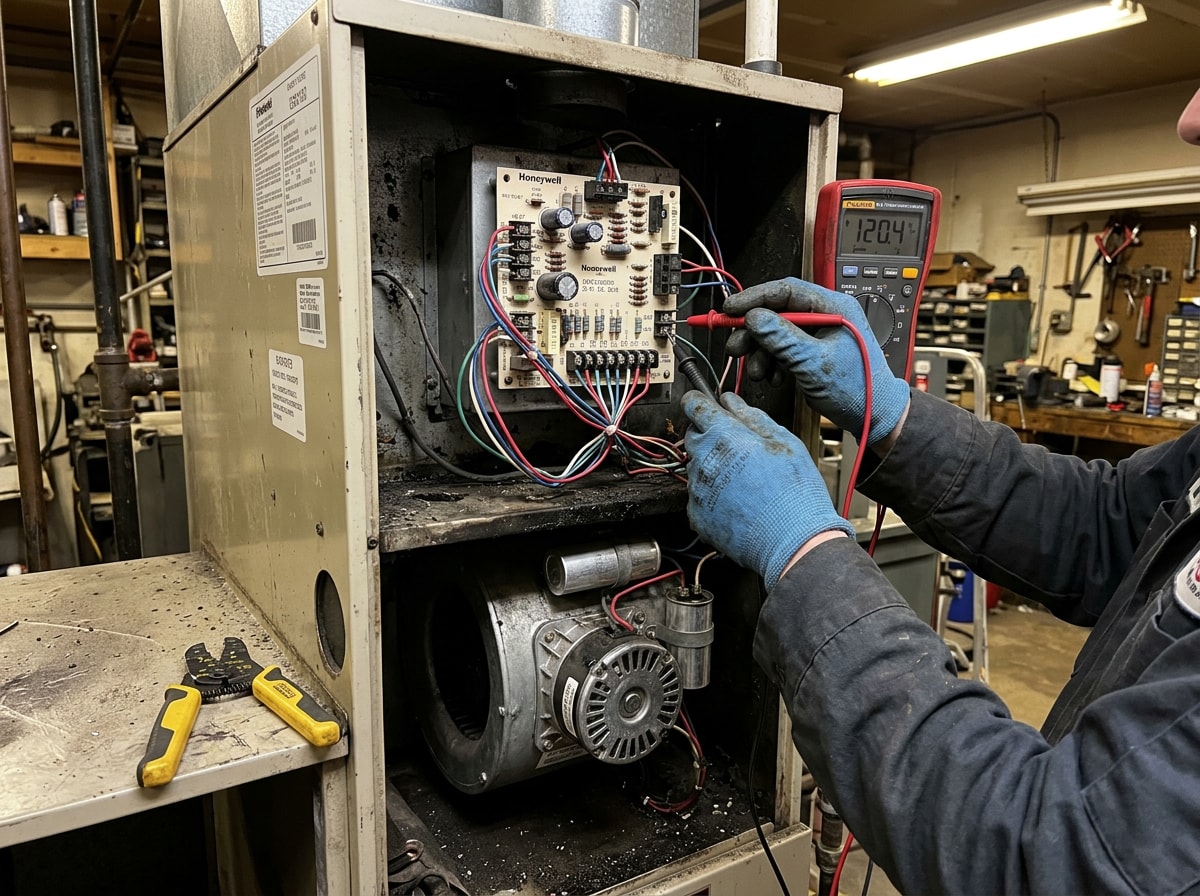
- Electrical component repair: bad contactors, tripped breakers tied to the HVAC circuit, failed control boards
We handle each of these directly: furnace repair, heat pump repair, air conditioning repair, thermostat repair, and electrical component repair. If the unit is beyond a reasonable repair, we'll tell you that too, rather than billing you for a patch that won't hold.
What Repair Costs Look Like
Pricing depends on the part, the system's age, and whether the failure is electrical or mechanical. These are typical ranges seen across Bay Area service calls, not a quote, since every system and home is different.
| Repair Type | Typical Cost Range |
|---|---|
| Thermostat replacement or repair | $150 - $550 |
| Capacitor or ignitor replacement | $150 - $450 |
| Refrigerant leak repair | $250 - $1,500 |
| Blower or fan motor replacement | $400 - $1,800 |
| Heat exchanger replacement | $750 - $2,000 |
| Compressor replacement | $900 - $3,200 |
A diagnostic visit typically runs separately from the repair itself, and most shops apply that fee toward the final bill if you move forward with the work. Ask for that in writing before the technician starts.
Permits: What South San Francisco Requires
This is where a lot of homeowners get surprised. A straightforward repair, like swapping a failed capacitor or replacing a thermostat, generally doesn't require a permit. But if the job involves replacing a furnace, air handler, or condenser, even a like-for-like swap, the City of South San Francisco's Building Division requires a mechanical permit before work begins, and electrical work on the same project triggers a separate electrical permit.
Permits aren't just paperwork. They trigger an inspection that confirms the new equipment was installed to current code, which protects your home insurance claim if something goes wrong later. A licensed contractor pulls these permits as part of the job. If a company tells you permits aren't necessary for a full system swap, that's a red flag worth pushing back on. You can confirm current requirements directly through the South San Francisco Building Division.
Why Fog and Salt Air Wear Out Systems Faster Here
South San Francisco sits close enough to the Bay that outdoor condenser coils and contactors take a beating from salt-laden marine air that inland Peninsula cities rarely deal with. On fog-season service calls, we see corrosion on outdoor electrical contacts and coil fins well before the equipment's rated lifespan would suggest, especially on units installed near Colma Creek or anywhere with a direct line to the Bay.
That's not a reason to avoid outdoor condensers, it's a reason to get a coil rinse and contactor check built into your maintenance schedule instead of waiting for a breakdown. Homes further from the water, closer to San Bruno Mountain, tend to see less of this corrosion pattern and more straightforward wear-and-tear failures.
Our Repair Process From Call to Fix
- You call or submit a request through Contact us with the symptom and system type.
- We schedule a diagnostic visit, same-day when the system is down and the home has no heat or no cooling.
- The technician tests the system and gives you the actual cause, not just a part guess, before any work starts.
- You get a written estimate before repairs begin, including whether a city permit applies.
- We complete the repair and test the full cycle before leaving, not just the component we replaced.
If your system fails outside normal hours, our emergency HVAC repair line is built for exactly that. Fog-season heater failures tend to hit hardest overnight, and a cold house at 2 a.m. isn't something that should wait until Monday.
Service Areas Near South San Francisco
We work throughout South San Francisco and the surrounding Peninsula, including San Mateo, San Carlos, and San Francisco proper. If you're dealing with a condenser that won't start, our write-up on AC condenser troubleshooting in San Carlos walks through the same failure points we check on South San Francisco calls. For a broader look at our full scope of work, visit our homepage or browse the HVAC contractor services page.
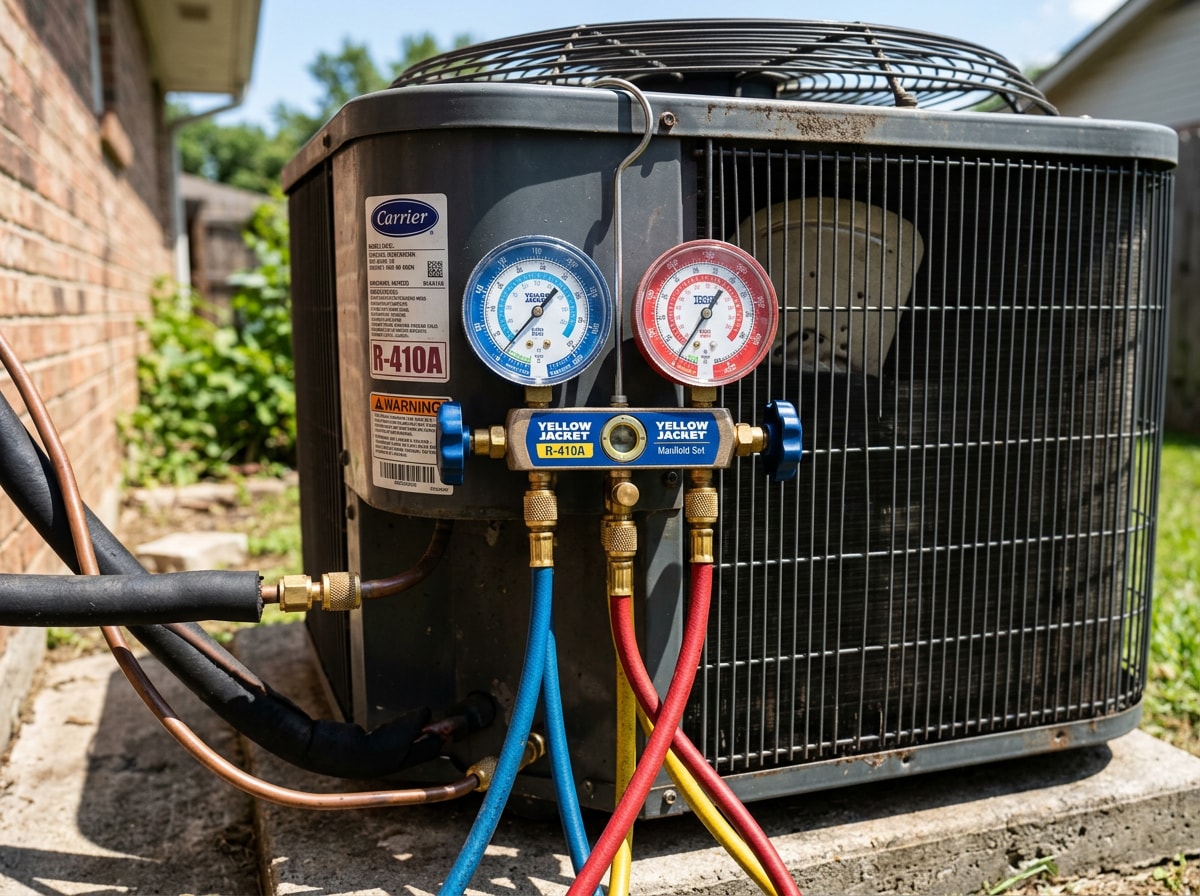
All of our technicians handling refrigerant work hold EPA Section 608 certification, which is a federal requirement under the Clean Air Act for anyone servicing equipment that could release refrigerant, not a nice-to-have. You can review the EPA's Section 608 program details if you want to verify what that certification actually covers. On the equipment side, if your repair conversation turns into a replacement conversation, it's worth asking whether an ENERGY STAR certified heat pump makes sense for your home given South San Francisco's mild year-round climate.
FAQ
How much does heating and AC repair cost in South San Francisco?
Most repairs fall between $150 and $1,800 depending on the part and labor involved. Compressor and heat exchanger replacements run higher, often $900 to $3,200, since those are major system components rather than a single failed part.
Do I need a permit to repair my furnace or AC unit?
Simple repairs, like a capacitor swap or thermostat fix, usually don't require a permit. Replacing a furnace, air handler, or condenser does require a mechanical permit from the South San Francisco Building Division, even for a like-for-like swap.
Why does my heat pump blow cold air in South San Francisco's fog?
A heat pump stuck in defrost mode or low on refrigerant can blow noticeably cool air during cold, damp mornings. It's also normal for heat pump air to feel cooler than a furnace's output even when working correctly, since heat pumps deliver warmth at a lower supply temperature.
How fast can someone come out for a no-heat or no-AC emergency?
Same-day service is standard when a system is fully down, especially during fog season when a failed heater leaves a home with no backup source of warmth. Call ahead so the dispatcher can prioritize based on your situation.
Is it better to repair or replace an old HVAC system?
If the repair costs more than roughly 30-50% of a new system's price, or the unit is past 12-15 years old and failing repeatedly, replacement usually makes more financial sense. A technician should walk you through both numbers before you decide.
What's the most common HVAC repair call in this area?
Capacitor and contactor failures top the list, largely due to the salt air and fog exposure outdoor units face near the Bay. Refrigerant leaks and blower motor failures follow close behind.
Ready to get your system fixed right the first time? Get a free estimate and we'll walk you through the diagnosis, the cost, and whether a permit applies before any work begins.