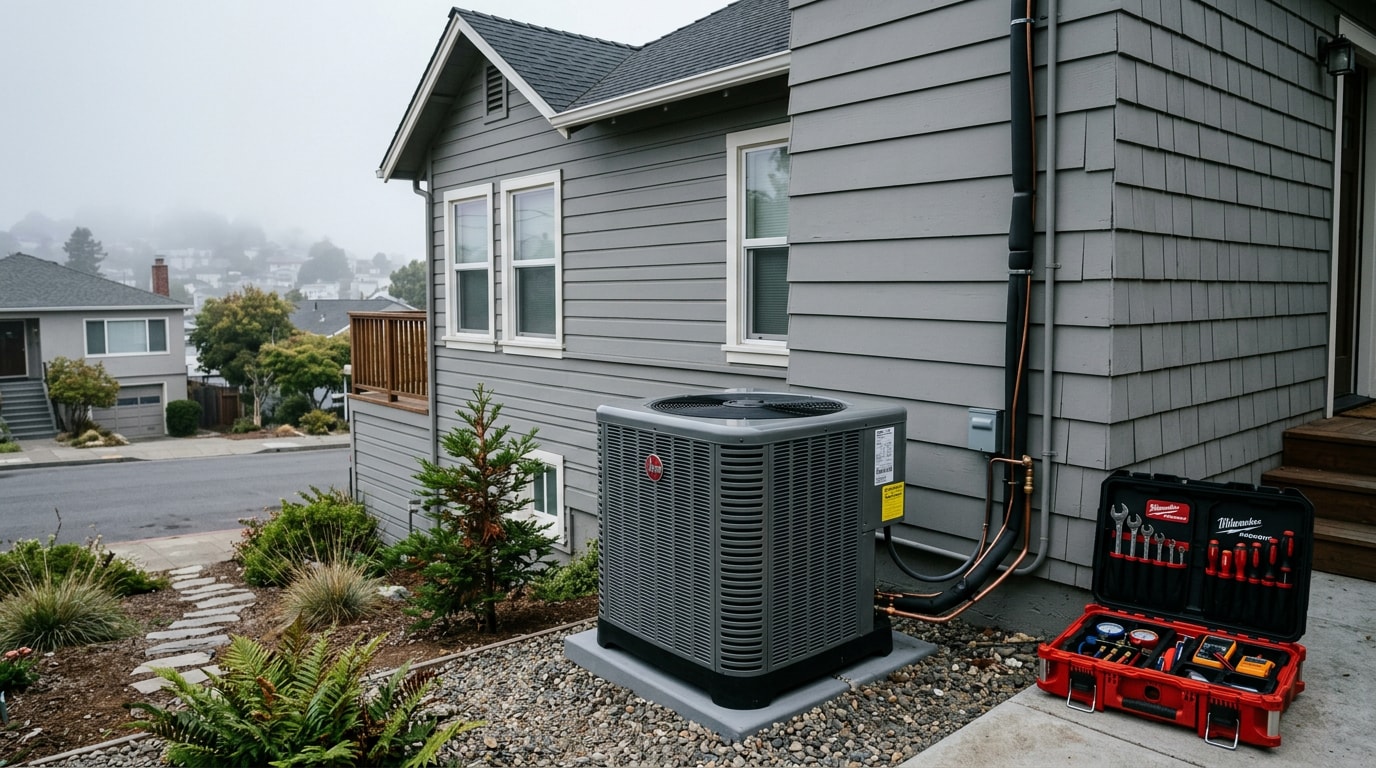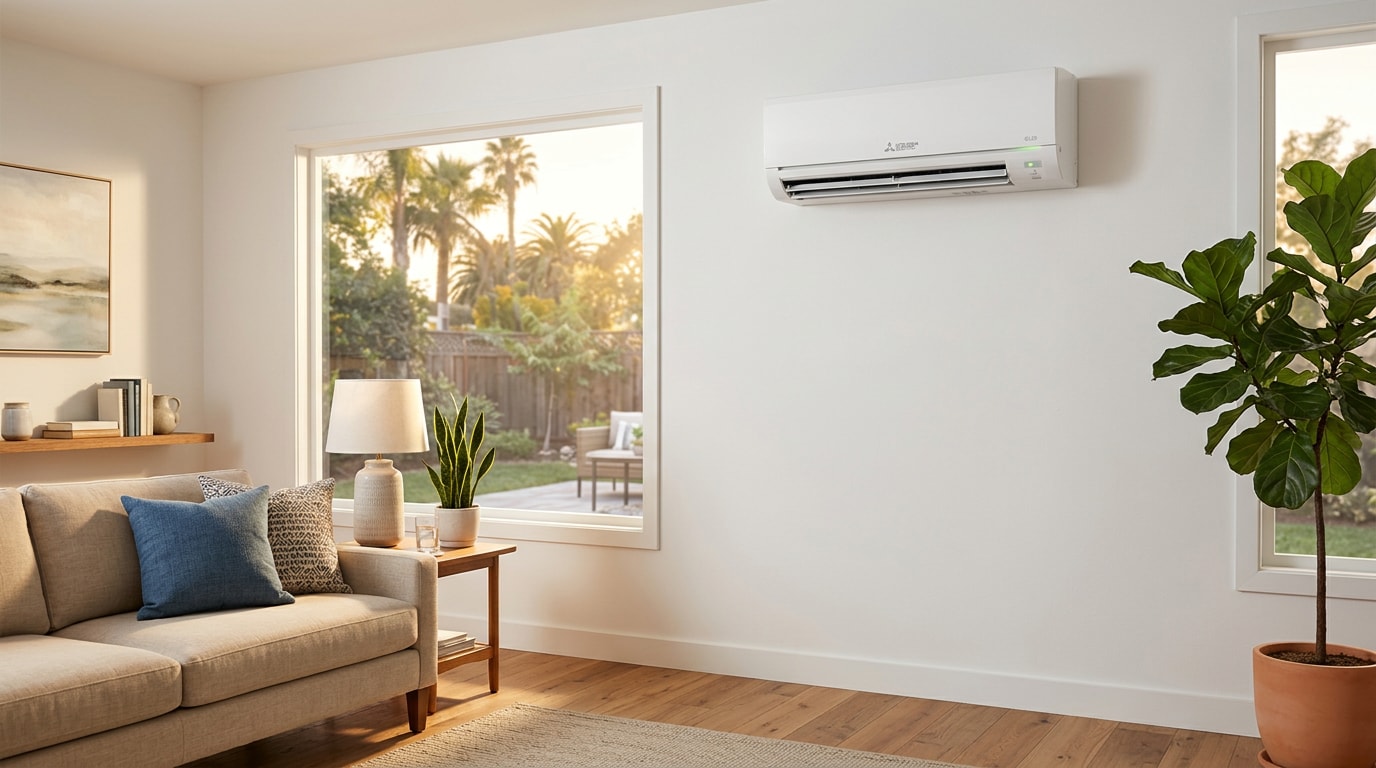
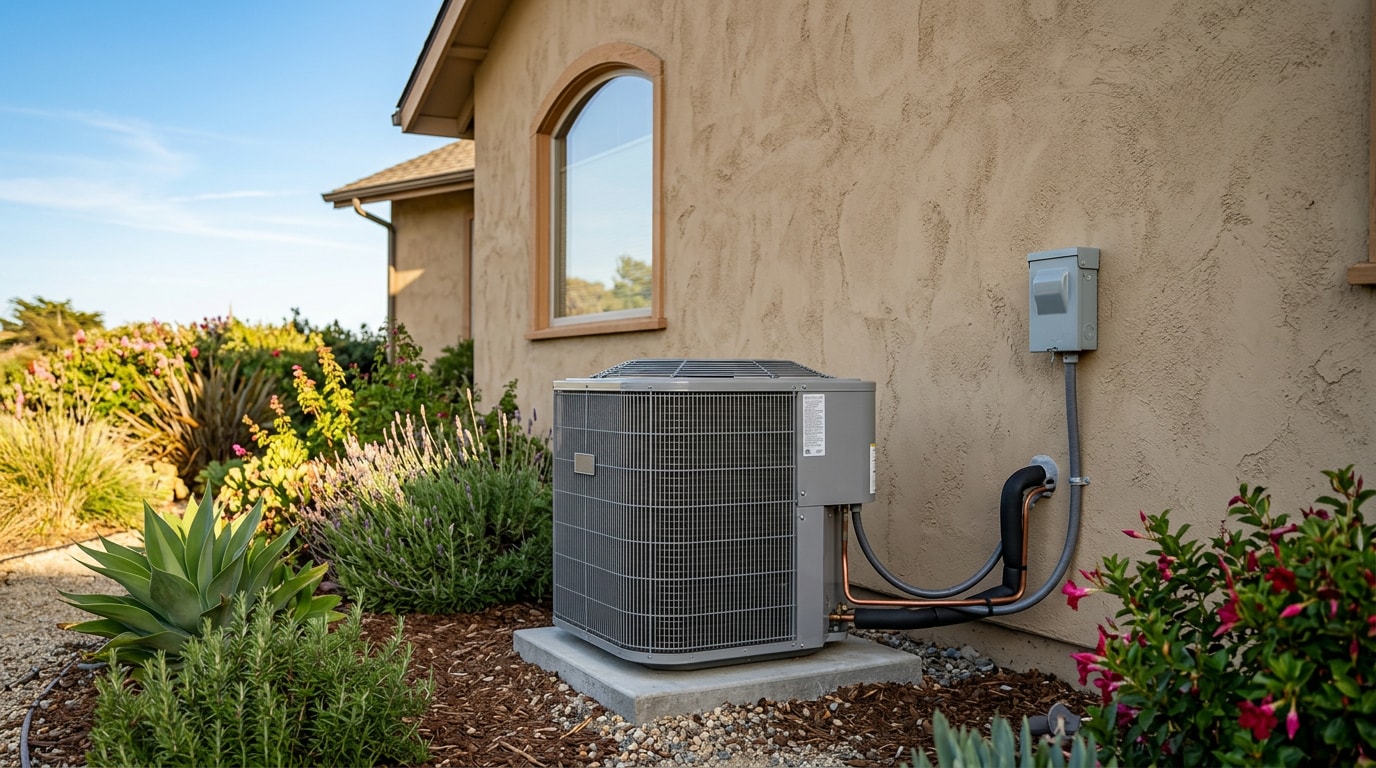
Searching for auto air conditioning Santa Cruz, CA usually means one of two things: a hot car with a weak compressor, or a home or business whose automatic climate control system has stopped keeping up. We handle the second kind — residential and commercial air conditioning across Santa Cruz County — and this guide breaks down the difference, the warning signs, and what a proper repair or upgrade actually involves.
Auto AC vs. Automatic Climate Control: Clearing Up the Confusion
"Auto air conditioning" is a phrase with two meanings, and it trips up a lot of searches. For vehicles, it refers to the compressor-driven cooling system under the hood of your car. For homes and businesses, "automatic" air conditioning usually means a central system paired with a programmable or smart thermostat that cycles cooling on and off without you touching a dial.
If your car's AC is blowing warm air, you'll need a local auto repair shop with EPA Section 609 vehicle-refrigerant certification — that's a separate license from the one required for building systems, and it's not a service we offer. If it's your house or business that's struggling to stay cool, that's exactly where we come in. Our technicians work on central air conditioners, mini-splits, rooftop units, and the thermostats that automate them, all across Santa Cruz, CA.
Signs Your Home or Business AC Needs Automatic Climate Control Service
Most building AC problems show up gradually before they become full breakdowns. Watch for:
- Warm air from the vents instead of cold — often low refrigerant or a failing compressor.
- Weak airflow throughout the house or office — can point to a clogged filter or failing blower motor.
- Short cycling — the system turns on and off rapidly instead of running a full cooling cycle.
- Thermostat unresponsive or inaccurate — the automatic schedule stops matching the actual temperature in the room.
- Rising utility bills with no change in usage — a sign the system is working harder than it should.
If any of this sounds familiar, a diagnostic visit is worth scheduling before a minor issue turns into a full system failure. You can request an estimate directly, or start with our air conditioning repair service page for more detail on what a visit includes.
How Central and Mini-Split AC Systems Actually Work
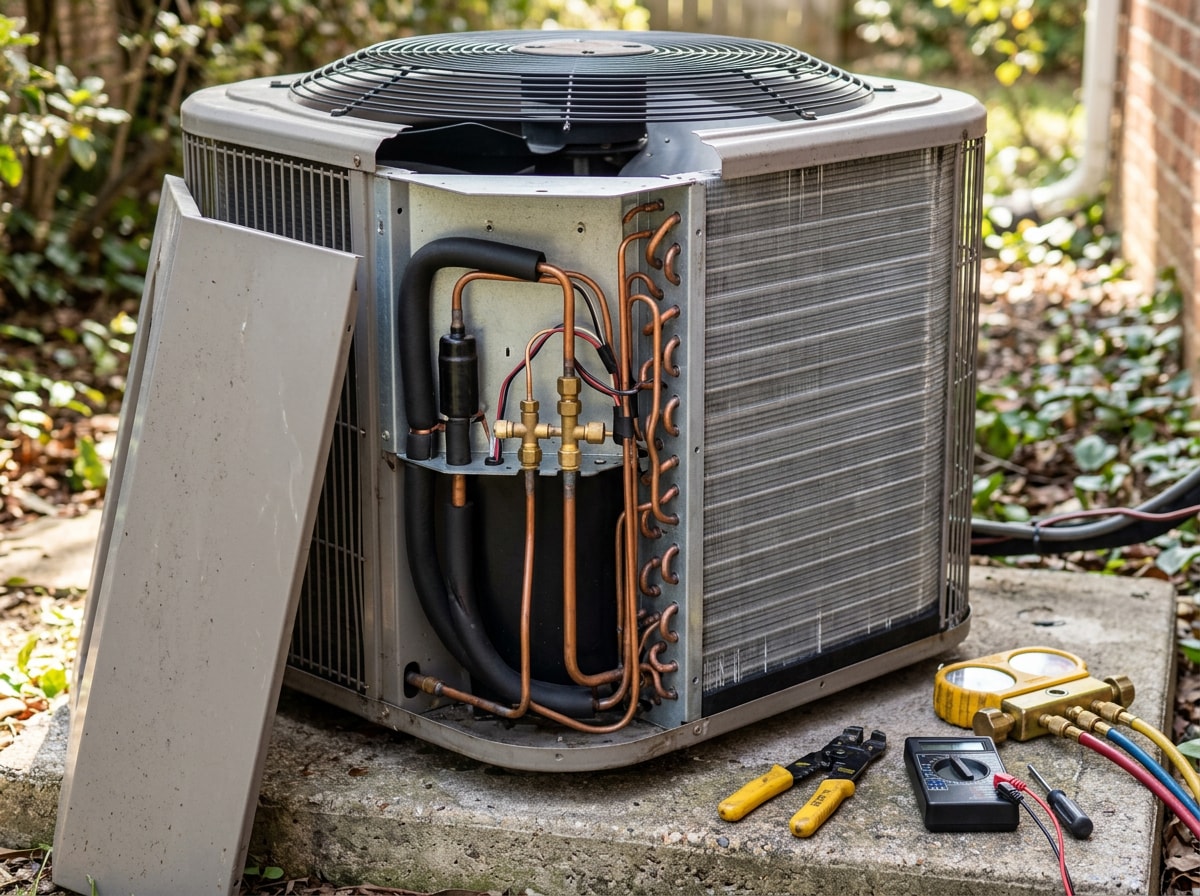
The same three core parts show up whether you have a central split system, a rooftop unit, or a mini-split: a compressor, a condenser, and an evaporator. The compressor pressurizes refrigerant, the condenser releases heat outside, and the evaporator pulls heat and humidity out of indoor air. No cooling at all usually points to the compressor or condenser. Weak cooling that gets worse in the afternoon heat often traces back to a dirty condenser coil or a low refrigerant charge.
In our service calls across Santa Cruz County, coastal salt air tends to accelerate corrosion on outdoor condenser coils faster than it does further inland — one reason an annual visual inspection matters more here than in drier climates.
Handling refrigerant in these systems isn't a DIY job. Technicians who service stationary air conditioning and refrigeration equipment must be certified under EPA regulations under Section 608 of the Clean Air Act, which address the handling and recycling of refrigerants used in stationary refrigeration and air conditioning systems . That's the certification that applies to home and business systems — a different one than what a car AC shop uses.
How We Diagnose AC Problems
A proper diagnostic starts with a pressure test to check the refrigerant charge, followed by electronic leak detection and a visual inspection of the coil, blower, ductwork, and electrical connections. If the issue turns out to be electrical rather than mechanical, we can address it directly through electrical component repair rather than replacing parts that aren't actually the problem.
Systems that stop cooling entirely during a heat wave can't always wait for a scheduled slot. For those situations, we offer emergency HVAC repair to get a technician out the same day when possible.
Repair, Replace, or Upgrade: Making the Right Call
| Situation | Recommended Action | Why |
|---|---|---|
| System under 10 years old, single repairable fault | Repair | Isolated failures (capacitor, contactor, minor leak) are usually cheaper to fix than replace |
| Compressor or condenser failure on an older system | Condenser unit replacement or full replacement | Major component failure near end of expected service life rarely justifies a standalone repair |
| New construction or an addition with no existing ductwork | New construction HVAC installation or mini-split installation | Ductless options avoid tearing into finished walls |
| Rooms that never cool evenly | Temperature control system upgrade | Zoning and smart controls, not just equipment, often fix comfort complaints |
For a detailed breakdown of what full installs and permits typically run, our HVAC estimate and permit guide walks through 2026 pricing factors that apply across Northern California, including Santa Cruz County.
True "Automatic" Air Conditioning: Smart Thermostats
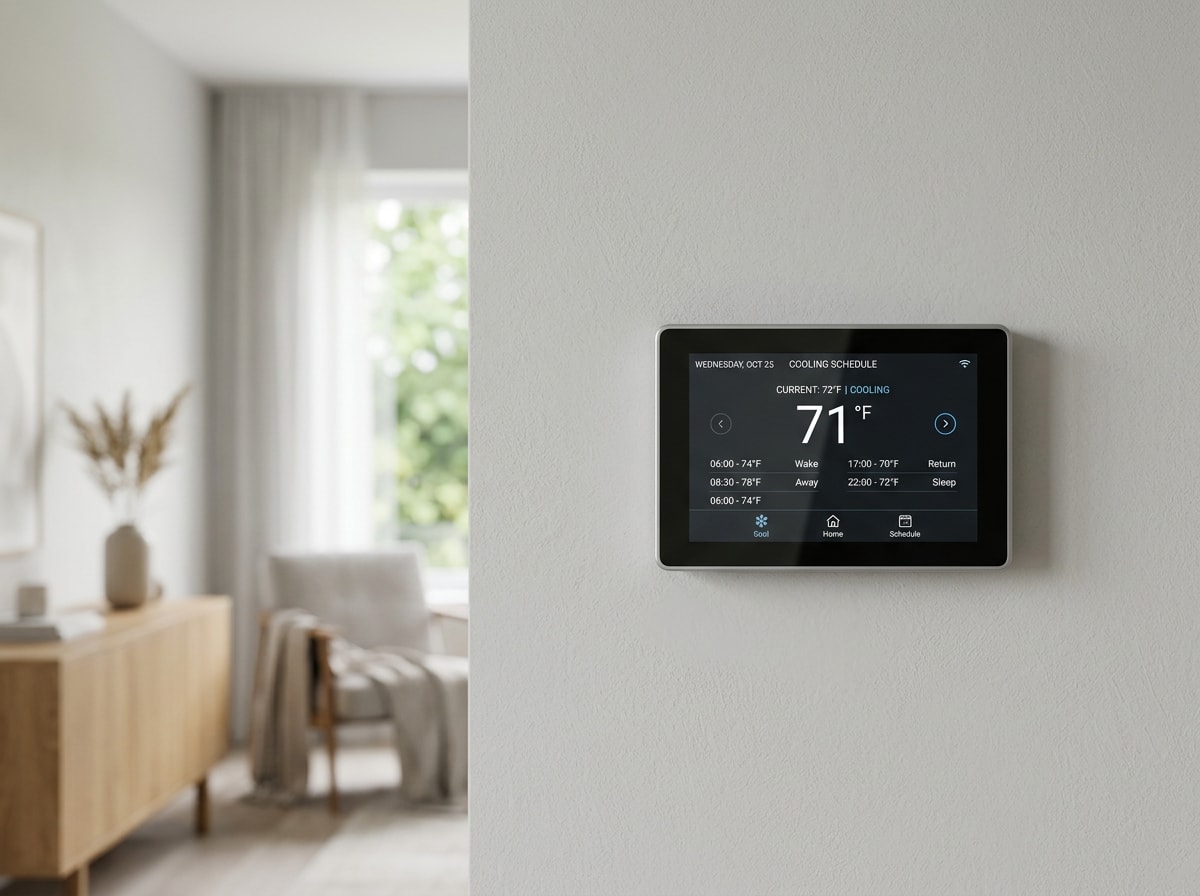
If what you're really after is a system that runs on its own without you adjusting it every few hours, the fix usually isn't the AC unit itself — it's the thermostat. The U.S. Department of Energy notes that you can save money on your heating and cooling bills by simply resetting your thermostat when you are asleep or away from home, and you can do this automatically by installing an automatic setback or programmable thermostat . A properly configured smart thermostat applies that setback automatically every day, which is the closest thing to true "auto" air conditioning for a building.
We install and configure these systems as part of our smart thermostat installation service, and can troubleshoot an existing unit that's no longer holding its schedule through thermostat repair.
Maintaining Your System for Santa Cruz's Coastal Climate
Routine maintenance extends the life of every component in an AC system. An annual inspection catches worn belts, clogged coils, and small refrigerant leaks before they damage the compressor. Equipment that carries the ENERGY STAR label is a reasonable benchmark when it's time to replace rather than repair — central air conditioners that have earned the ENERGY STAR are about 11% more efficient than conventional models , and the federal government's purchasing guidance requires ENERGY STAR-certified or FEMP-designated products for covered categories , which is a useful reference point even for private homeowners comparing models.
A simple air filter swap is one of the cheapest ways to protect a system between full service visits — see our air filter replacement page for how often that should happen in a coastal climate with higher ambient humidity.
Why Work With Air Control Mechanical in Santa Cruz
Look for a licensed shop with clear warranty terms, EPA Section 608 certified technicians, and experience with the coastal wear patterns common to this area. We cover air conditioning, heating, and thermostat systems for homes and businesses throughout Santa Cruz County, along with Pleasanton, San José, and the broader Bay Area. Start on our homepage to see the full range of services, or go straight to scheduling a free estimate.
FAQ
Does Air Control Mechanical repair car AC systems?
No. We service air conditioning in homes and businesses only. For vehicle AC repair in Santa Cruz, you'll want a local auto repair shop certified under EPA Section 609 for mobile refrigerant handling.
Why is my home or business AC blowing warm air?
Warm air from the vents usually means low refrigerant from a leak, a failing compressor, or an electrical fault at the condenser. A diagnostic visit will pinpoint which one it is before any parts get replaced.
How often should a central AC system be serviced?
Once a year, ideally in early spring before the first warm stretch. Coastal salt air can accelerate coil corrosion, so Santa Cruz systems benefit from an annual visual inspection even when nothing seems wrong.
How much does AC repair cost in Santa Cruz?
It depends on the fault — a capacitor or contactor repair costs far less than a compressor replacement. Our HVAC estimate guide breaks down typical 2026 pricing ranges and permit factors that apply regionally.
Can a smart thermostat really make my AC "automatic"?
Yes. A properly configured smart thermostat applies setback schedules on its own, which is what most people actually mean when they search for "automatic" air conditioning for a house or business rather than a vehicle.
How long do central air conditioners typically last?
With annual maintenance and timely filter changes, many systems run well for 15 years or more before major components start failing. Coastal exposure and deferred maintenance can shorten that window.