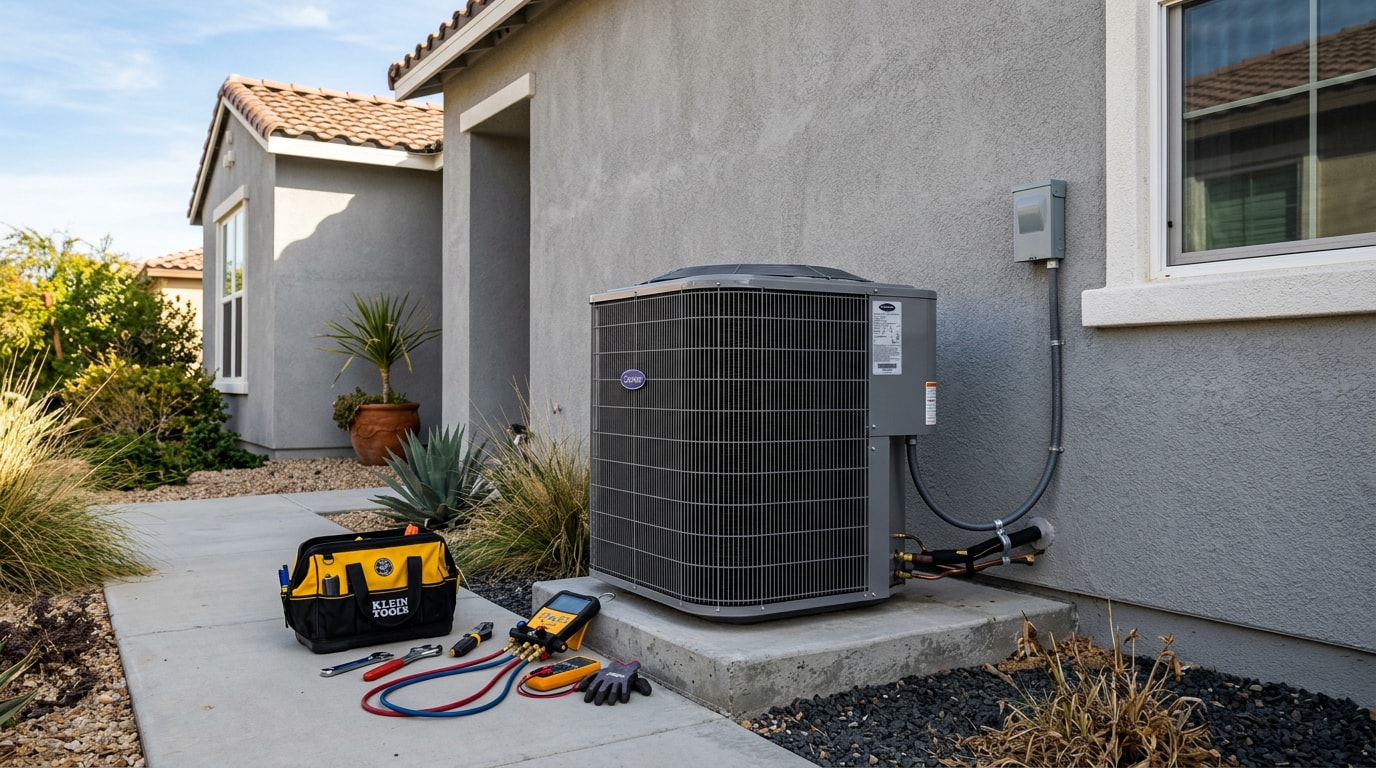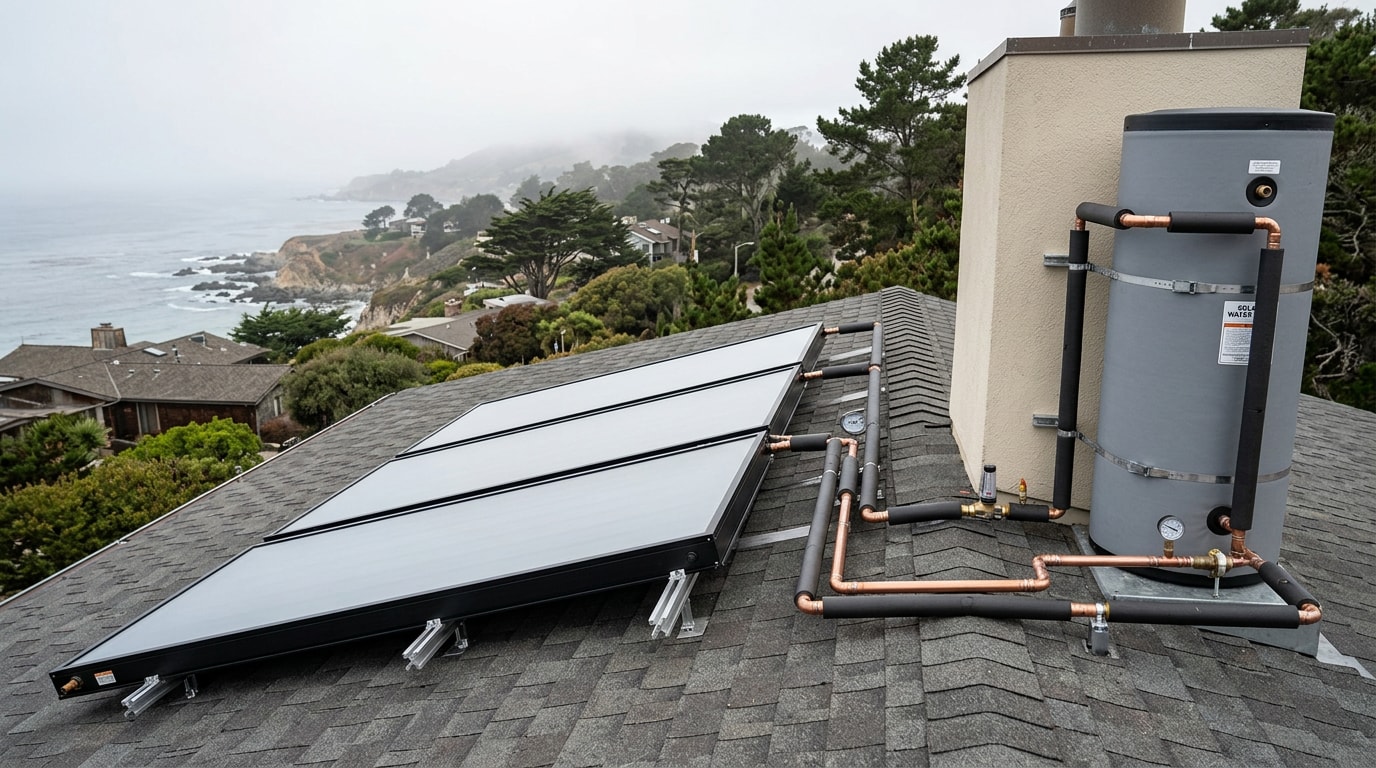
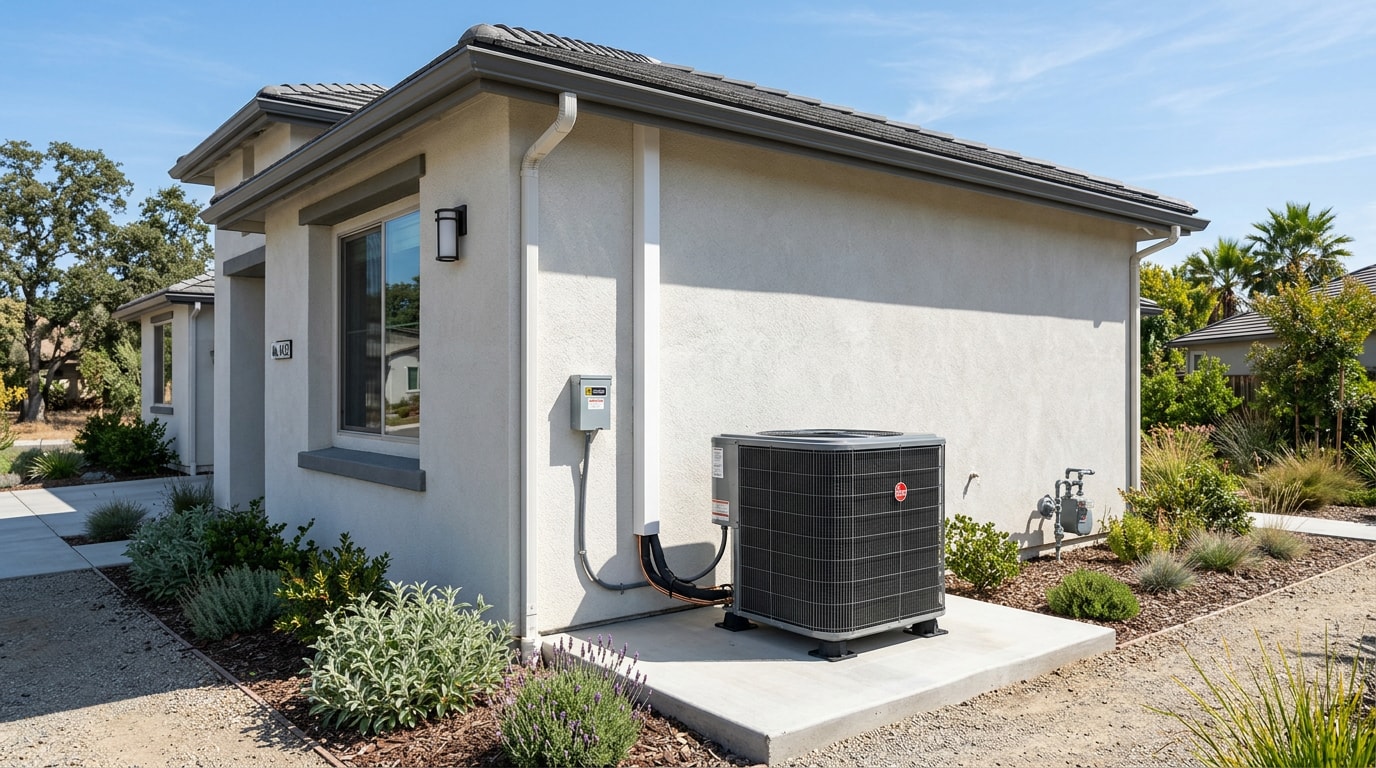
Central heating and cooling in Hayward, CA has to handle bay fog, inland heat, and everything between, sometimes in the same afternoon. Picking the wrong system means uneven rooms, high bills, or a unit that struggles every July. This guide breaks down what actually works here, what it costs, and how to avoid the sizing mistakes that cause most comfort complaints.
Central Heating and Cooling Services Hayward Homeowners Need Most
Most calls we get from Hayward homeowners fall into one of four buckets: a system that needs installing, one that needs repairing, one that's due for replacement, or routine upkeep to keep everything running. Here's how Air Control Mechanical breaks those down:
- New installation — for additions, new construction, or homes switching from window units to a full system. See our HVAC system installation services.
- Repair — fast diagnosis for no-cool, no-heat, or strange-noise calls. Our HVAC system repair page covers common issues, and our AC repair guide for Hayward walks through same-day options and pricing.
- Replacement — swapping out aging equipment for a right-sized, more efficient system. Details are on our HVAC system replacement page.
- Emergency service — for heat waves or cold snaps that can't wait. Our emergency HVAC repair team responds fast.
If you're not sure which category fits your situation, our full HVAC contractor services page is a good starting point, or you can get a free estimate and we'll point you in the right direction.
How Hayward's Microclimates Affect Your HVAC Choice
Hayward's weather shifts block by block. A home near the bay flatlands deals with fog and milder afternoons, while a house in the Hayward Hills sits in direct sun for more hours each day. These pockets change what your system actually needs to do.

Before calling a contractor, ask yourself these four questions:
- How old is your current system? Equipment past 12 to 15 years old tends to lose efficiency and break down more often.
- Do certain rooms run hotter or colder than others? That usually points to duct or sizing issues, not just a thermostat problem.
- Has your summer energy bill crept up without explanation? A sudden spike often means the system is working harder than it should.
- Has your household size or layout changed? More people, more devices, or a home addition all raise the heating and cooling load.
Central Air vs. Ductless Mini-Splits vs. Heat Pumps
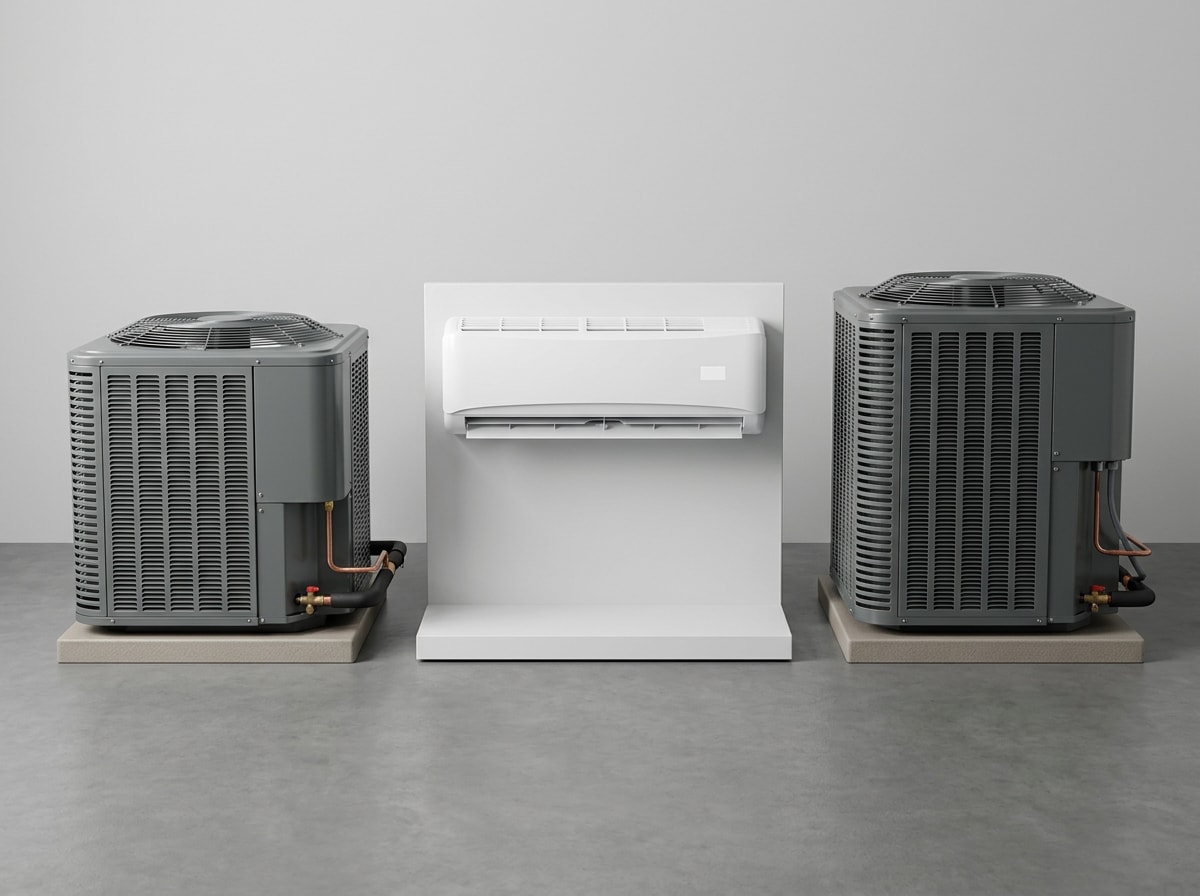
Most homeowners comparing central heating and cooling options in Hayward are really deciding between three paths: traditional ducted central air, a flexible ductless mini-split, or a heat pump that handles both jobs.
Central Air: The Familiar Choice
Whole-home ducted central air still makes sense for larger Hayward properties with functioning ductwork already in place. It delivers consistent cooling through a single thermostat and is familiar to most local technicians, which simplifies repairs later.
The tradeoff is flexibility. Central air alone won't fix rooms that run hotter or colder than the rest of the house without added zoning equipment.
Ductless Mini-Splits: Zoned Comfort Without Ductwork
A ductless mini-split uses one outdoor compressor connected to individual indoor units. Each room or zone runs its own temperature with no ductwork required, which suits additions, older Hayward homes without existing ducts, or anyone dealing with uneven cooling.
Modern mini-splits also post strong efficiency numbers. Many models carry SEER2 ratings up to 26 for central systems, with some mini-splits exceeding 30 SEER2 , well above older central air equipment. If you're exploring this route, our mini-split system installation page covers the process and equipment options.
Heat Pumps: One System, Year-Round
A heat pump moves heat rather than generating it, so one unit can cool your home in July and warm it in January. That dual function suits Hayward well, since winters here rarely require backup heat strips.
| System | Upfront Cost | Efficiency | Best-Fit Home | Hayward Climate Fit |
|---|---|---|---|---|
| Central Air | $$ | Moderate-High (SEER2 14-16) | Larger homes with existing ducts | Solid for hills and inland heat |
| Ductless Mini-Split | $$ to $$$ per zone | High (SEER2 18+) | Additions, homes without ducts | Strong across most microclimates |
| Heat Pump | $$$ | High, year-round | Homes wanting one system for all seasons | Well-suited to mild winters |
For homeowners chasing year-round comfort from a single, efficient system, a heat pump often pencils out better long-term than running separate furnace and AC equipment. Our heat pump installation page has more on sizing and cost.
Heating and Cooling Needs by Hayward Neighborhood
Air Conditioning Needs Vary by Area
AC needs shift sharply across Hayward. Hills properties often run noticeably warmer than bay-side flatlands in peak summer because of greater sun exposure and elevation, which typically means higher-capacity equipment and a longer cooling season.
Downtown Hayward's pavement and buildings also trap warmth into the evening, an effect known as the urban heat island. Flatland homes closer to the bay benefit from cooler marine air and shorter cooling seasons overall.
Heating Options for Hayward's Mild Winters
Hayward's mild winters open up more heating choices than colder climates allow:
- Gas furnaces remain common in older homes. Our furnace installation page covers equipment options and sizing.
- Heat pumps work well given the modest temperature swings most Hayward homes see.
- Dual-fuel systems pair a heat pump with a backup furnace, covering the rare cold snap without oversizing equipment.
Choosing between these usually comes down to existing infrastructure, electric versus gas rates, and how much backup capacity you want on hand.
Sizing Your New System Right: Avoid Costly Mistakes
Correct sizing, not just square footage, determines comfort, efficiency, and how long a system lasts.
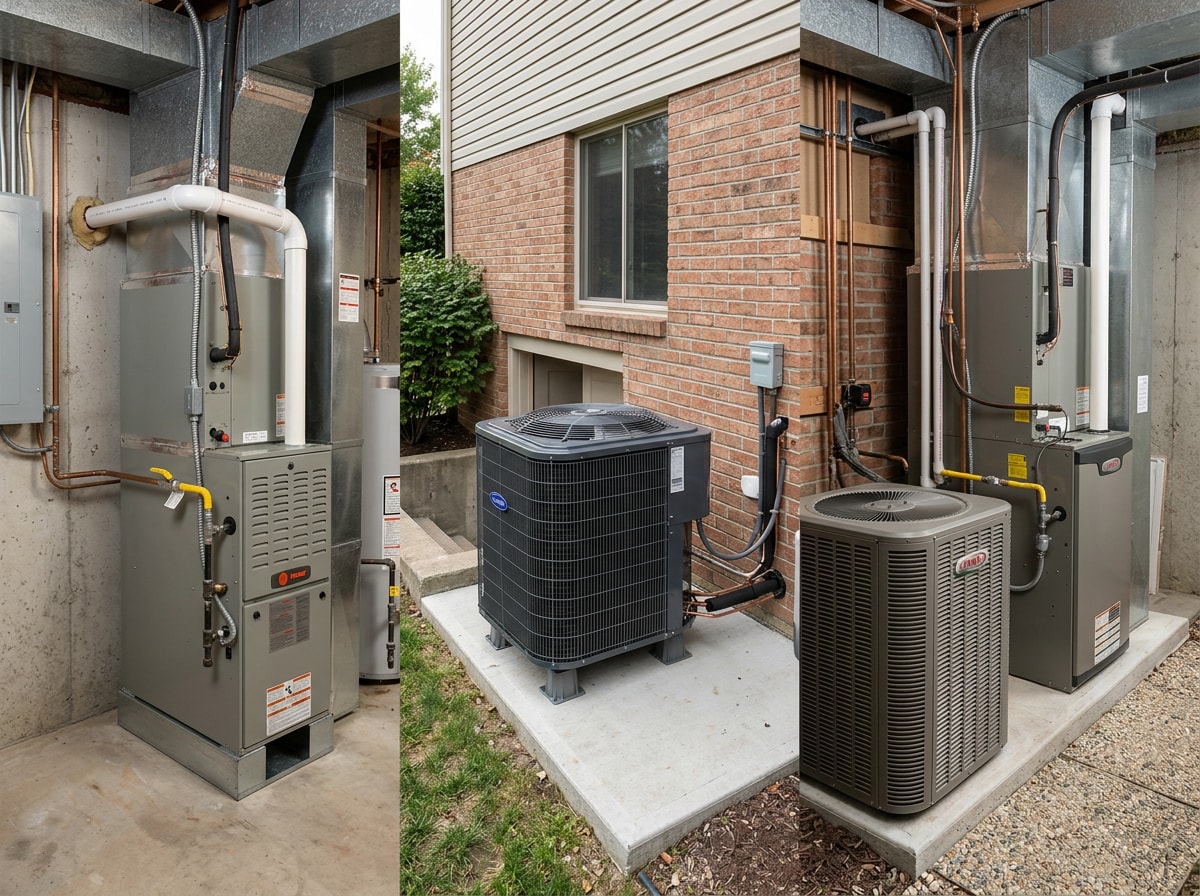
Guessing capacity from square footage alone is the most common mistake, since it ignores insulation quality, window count, ceiling height, and sun exposure. The industry fix is a Manual J load calculation, the ACCA procedure for calculating a home's room-by-room heating and cooling loads from its construction, windows, insulation, air leakage, ducts, orientation and local design temperatures, producing the capacity the house actually requires before any equipment is selected . We run this calculation on every full-system install, from flatland bungalows near the bay to hillside homes with long duct runs.
An oversized system short cycles, turning on and off rapidly without fully dehumidifying the home. An undersized one runs constantly and still can't keep up. Poor ductwork, including long runs, blocked returns, and leaky joints, compounds both problems and often causes the same temperature swings homeowners blame on the equipment itself. If your ducts are part of the issue, see our ductwork installation page.
Local Installation Considerations and Rebates in Hayward
Local conditions shape installation decisions more than most homeowners expect. Bay Area soil can shift seasonally, so outdoor unit pads need stable footing, and homes closer to the water may see faster coil corrosion from salt-influenced air. Hayward's residential noise rules can also affect where an outdoor condenser gets placed, particularly in tight side-yard setups.
On the savings side, the U.S. Department of Energy notes that ENERGY STAR sets residential central air conditioner program requirements and efficiency criteria, and manufacturers meeting them can display the ENERGY STAR label on qualifying models , which is often a prerequisite for rebates. Separately, TECH Clean California offers a statewide incentive for replacing a gas furnace or water heater with a heat pump, with the amount varying by utility and equipment type . Eligibility and amounts change often, so confirm current terms before budgeting.
Ready to move forward? Get a free estimate and a licensed technician can flag which rebates apply to your specific installation, using our local Hayward service page as a reference for what we typically see in your area.
How to Choose an HVAC Contractor in Hayward
Picking the right system only matters if it's installed correctly. Here's what separates a qualified Hayward HVAC contractor from a risky one:
Green lights:
- A valid California C-20 HVAC license
- NATE-certified technicians
- A detailed written estimate, not a verbal number
- A visible track record of local reviews
Red flags:
- Vague verbal pricing with nothing in writing
- Reluctance to show licensing or insurance
- No clear local address or service history in Hayward
FAQ
What is the best HVAC system for Hayward's climate?
There's no single best system. The right choice depends on your home's ductwork, budget, and microclimate. Homes with existing ducts often do well with central air, while additions or homes needing zoned comfort benefit more from a ductless mini-split or heat pump, especially given Hayward's mild, fog-influenced winters.
How do I know when to replace my HVAC system?
Replacement usually makes sense once a system passes 10 to 15 years old, needs repairs more than once a year, or visibly struggles to maintain set temperatures. Rising energy bills despite normal use are another strong signal that efficiency has dropped.
What is the difference between a heat pump and a furnace?
A heat pump transfers existing heat from outdoor to indoor air, or the reverse, to both heat and cool a home. A furnace only generates heat by burning gas or using electric resistance, so it can't provide cooling on its own.
Do Hayward Hills homes need more powerful AC than flatland areas?
Often, yes. Hills properties tend to see more direct sun and higher elevation exposure than bay-side flatlands, so they typically need higher-capacity cooling equipment or better insulation to keep pace with that extra heat load.
How much does central heating and cooling cost to install in Hayward?
Costs vary by system type, home size, and ductwork condition, so an accurate number requires an in-home assessment rather than a flat estimate. A Manual J load calculation during your free estimate gives you a price based on your actual home, not a guess from square footage alone.
How often should a central HVAC system be serviced?
Most manufacturers and technicians recommend servicing a central system twice a year, once before cooling season and once before heating season. Regular filter changes and coil cleaning between visits also help the system run efficiently.
Do you offer financing options?
Financing is commonly available for HVAC installation, usually through monthly payment plans tied to the project cost. When comparing offers, check the total interest paid over the loan term, not just the monthly payment. Contact us for current financing options and a free estimate.