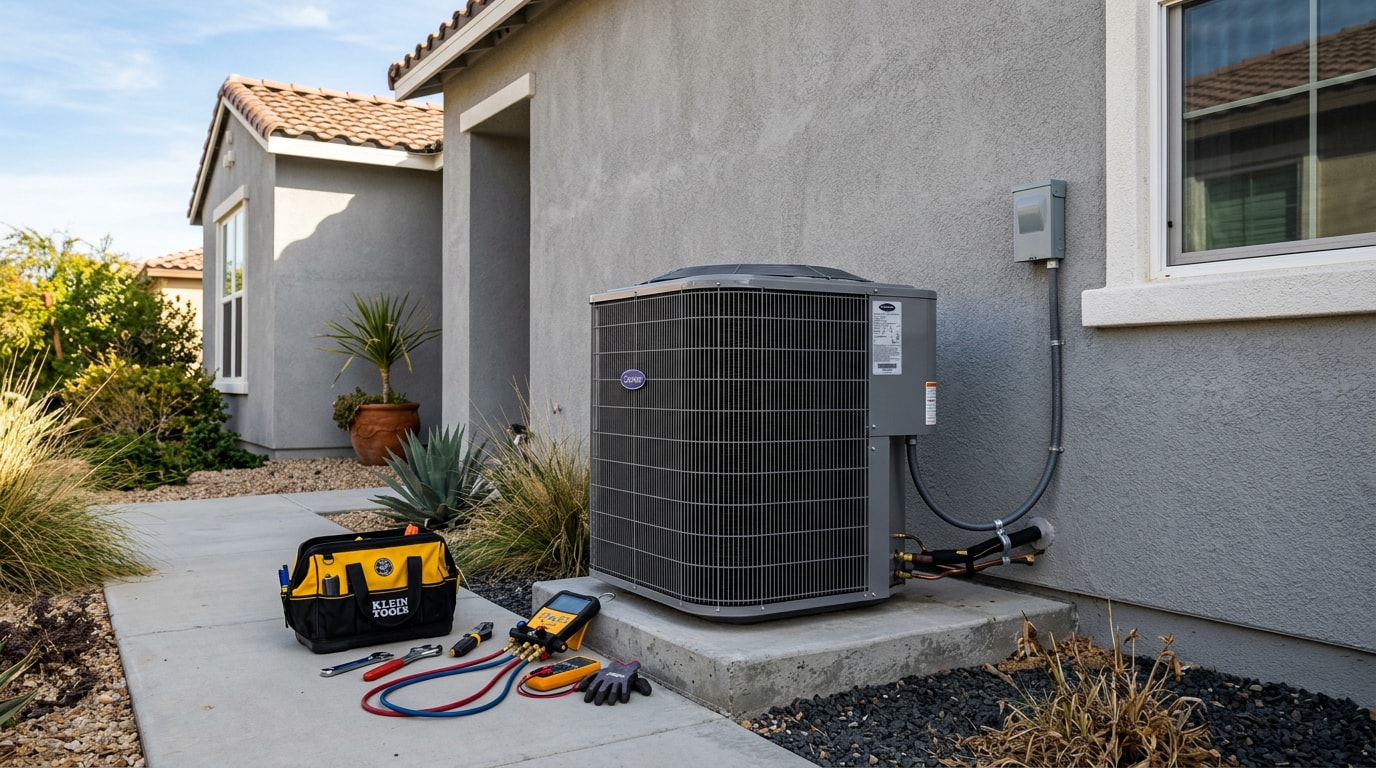
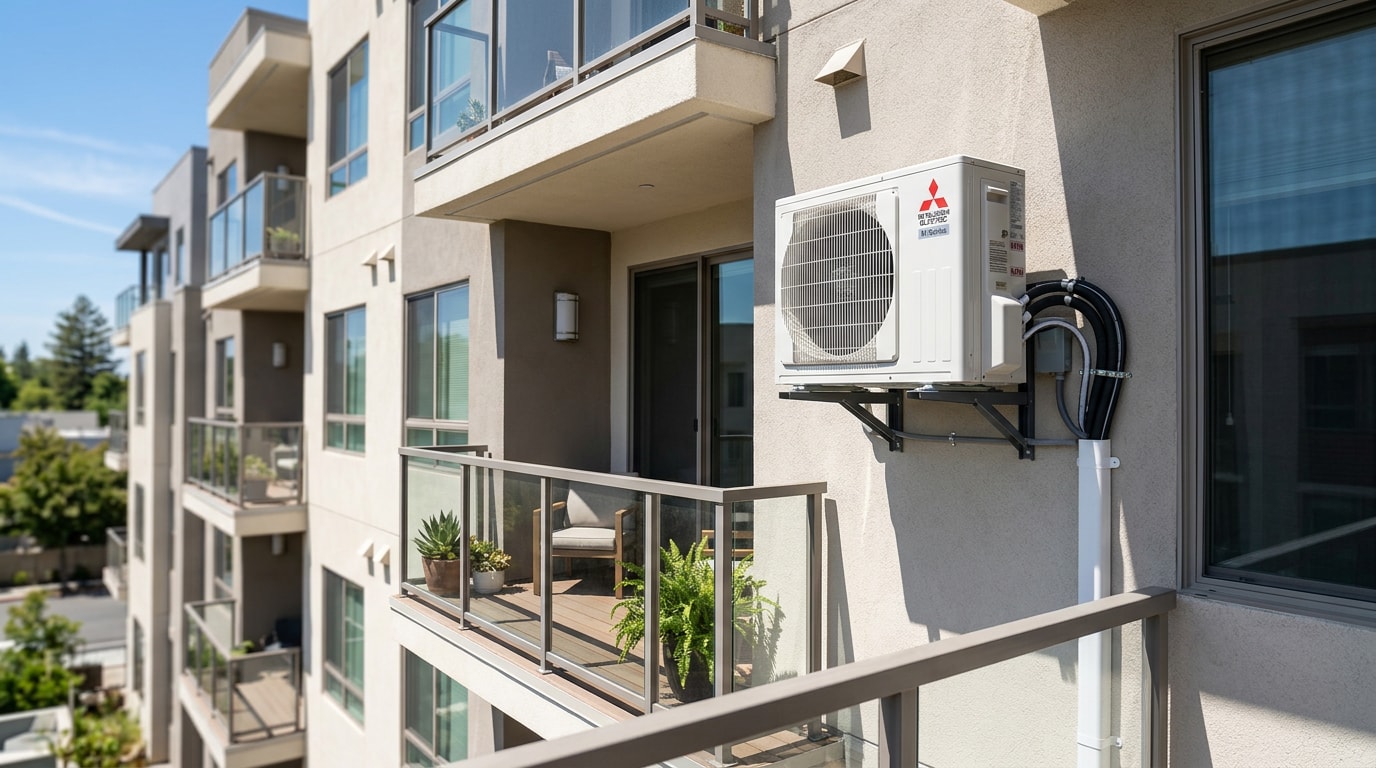
Picking the right apartment air conditioner in San José, CA comes down to three things: what your lease or HOA actually allows, how much square footage you're cooling, and whether a rebate is realistically within reach. Most guides stop at "mini-split vs. window unit." This one also covers the multifamily unit-count limit that disqualifies most San José apartment buildings from the city's heat-pump rebate, a detail renters find out the hard way after they've already signed a contract. Our licensed technicians at Air Control Mechanical install and service all of these systems across the South Bay, and this guide reflects what actually works once lease restrictions and older electrical panels enter the picture.
Apartment AC Options Compared at a Glance
Before getting into the details, here's how the main options stack up for a typical San José apartment or condo.
| Option | Upfront Cost | Install Complexity | Noise Level | 2026 SJCE Rebate Eligible? |
|---|---|---|---|---|
| Mini-split (single-zone) | $$$ | Moderate (pro install) | Low | Only if you own the unit, the building has 10 or fewer units, and it replaces gas |
| Window unit | $ | Low (DIY) | Moderate-High | No |
| Portable unit | $ | Low (DIY) | High | No |
| Through-the-wall sleeve unit | $$ | Moderate (wall penetration) | Moderate | No |
| Central air (retrofit) | $$$$ | High (often requires ducts) | Low | Only if you own the property and gas furnace is removed |
Renters should treat that rebate column as the headline, not an afterthought — the eligibility rules rule out most apartment dwellers before they even compare equipment, which we break down later in this guide.
Why Your Apartment Needs a Different Cooling Approach Than a House
An apartment AC has to fit the space, electrical capacity, and lease terms of a rented or multi-unit home, not a standalone house. Many apartment and condo buildings in San José were built with no ductwork at all, which rules out central air for a large share of the local housing stock. Older electrical panels may not handle a high-draw appliance without an upgrade, and outdoor space for a condenser is often limited or nonexistent.
Condo HOAs add another layer on top of standard lease terms, governing everything from exterior unit placement to noise. Before buying anything, check your lease and, if applicable, your HOA's architectural guidelines — and see the HOA section below, because that rulebook is about to change statewide. For help matching a system to your specific building type, our air conditioning contractor team handles apartment and condo installs across the South Bay.
Best Apartment Air Conditioner Options for San José Renters and Owners
There's no single best apartment AC. The right pick depends on your building type, what your landlord allows, and how much square footage you're cooling.
Ductless Mini-Split Systems
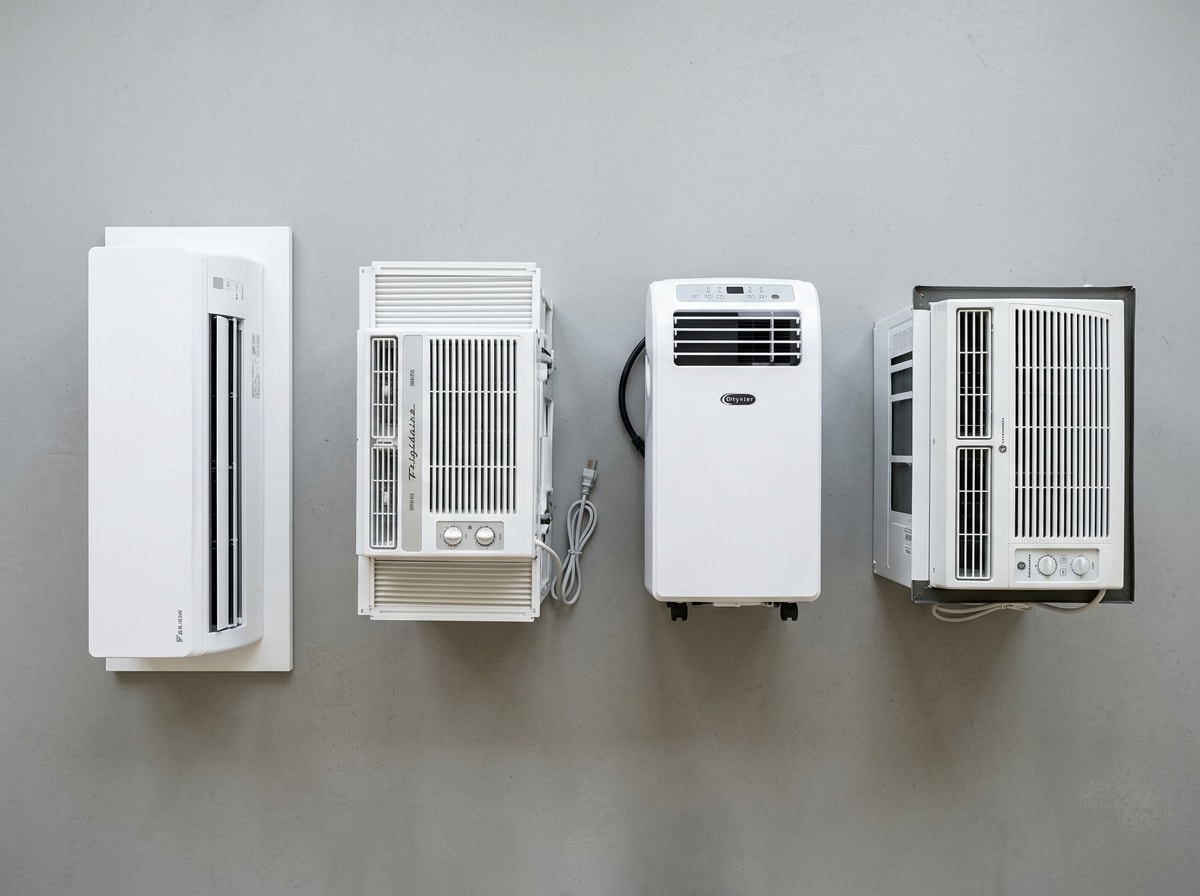
A mini-split pairs a small outdoor condenser with one or more indoor air handlers mounted on a wall, with no ducts required. It's one of the few apartment-friendly ways to get zoned cooling, meaning different rooms can run at different temperatures.
Benefits include:
- Installation in units without central air
- Individual room-by-room temperature control
- Strong energy efficiency with inverter-driven models
- Quieter operation than older window units
Owner-occupied condos get the added benefit of potential rebate eligibility, covered in the rebate section below. If you're weighing a mini-split against other zoned options, our mini-split system installation page covers equipment choices and typical installation timelines, and our mini-split cost breakdown for Livermore homes walks through zone-by-zone pricing that applies just as well in San José.
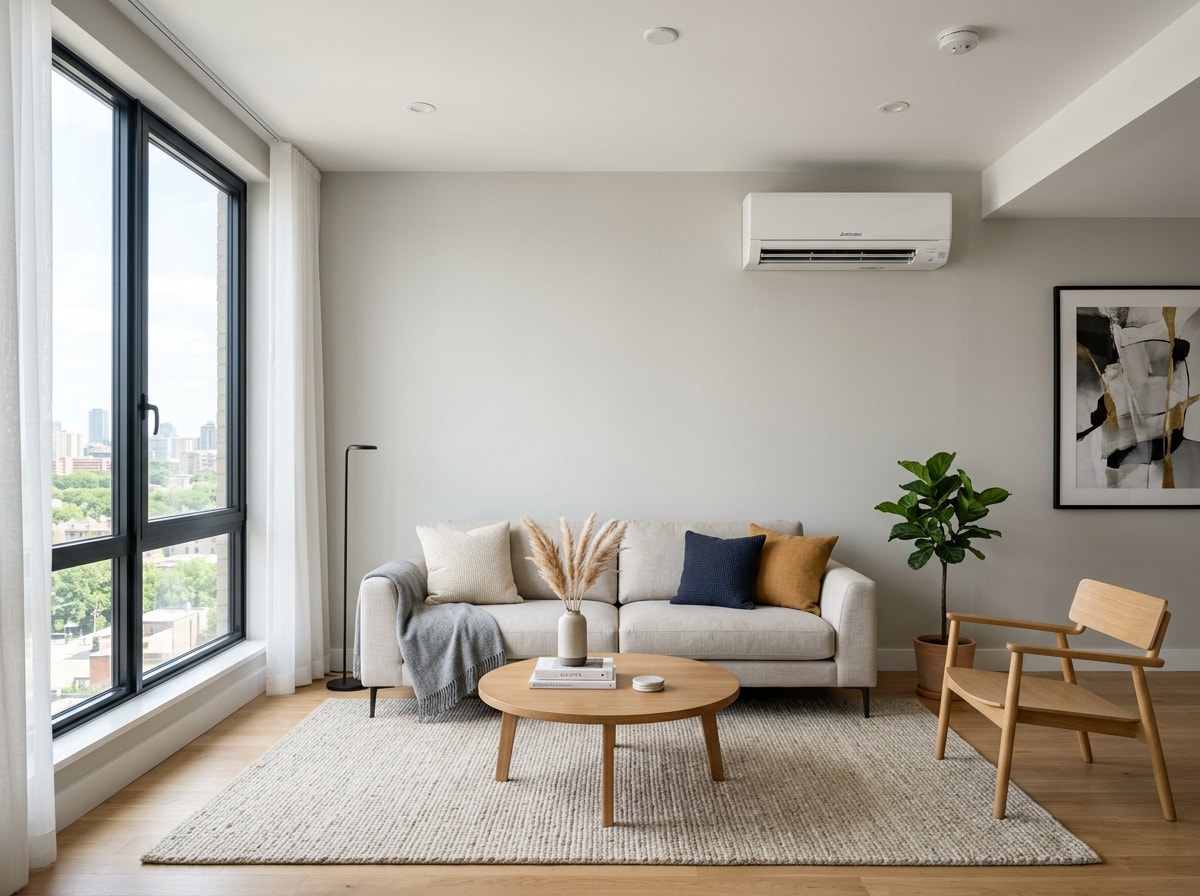
Through-the-Wall Air Conditioners
A through-the-wall AC, sometimes called a sleeve air conditioner, is a self-contained unit that slides into a sleeve cut through an exterior wall, similar to a window unit but more secure and permanent. It works best for studio and one-bedroom apartments that can accommodate the installation.
Most San José renters won't get landlord sign-off to cut into an exterior wall, so this option tends to be secondary to window, portable, or mini-split systems unless you own your unit outright.
Portable and Window AC Units
Portable and window units are best suited for temporary cooling or situations where tenants install their own equipment. Some buildings explicitly allow this, and while neither is a permanent fix, both count as renter-friendly cooling since they require no structural modification.
A few trade-offs worth knowing before you buy:
- Single-hose portable units are less efficient than dual-hose models because they pull in outside air to replace what's exhausted.
- Window units need a secure sill and sometimes a support bracket, a real consideration for upper-floor apartments where a fall risk matters.
- Neither option delivers the zoned control or efficiency of a mini-split for multi-room apartments.
Central Air Conditioning (Split Systems)
Central air delivers cooled air through ductwork, usually paired with a furnace or air handler, and it's common in newer San José apartment buildings built with ducts already in place. In a modern complex with existing ductwork, it's often the most seamless option.
Retrofitting central air into a building without existing ductwork is expensive and invasive, and even where ducts exist, zoning control is often limited. In practice, this means central air works well in newer South Bay construction but is rarely practical in pre-1980s buildings that were never designed around ducted systems. For buildings that do have ductwork, our air conditioning installation and air conditioning repair teams handle both new installs and existing system fixes.
How to Size Your Apartment AC: BTU Basics
BTU, or British Thermal Unit, measures how much cooling power an air conditioner can deliver. Getting this wrong is one of the most common apartment-cooling mistakes: an undersized unit struggles constantly, while an oversized one wastes energy and leaves the room feeling clammy from poor humidity control.
To calculate how large a unit to buy, you need to know the size of the room to be cooled — for example, a room measuring 525 square feet calls for a capacity of around 14,000 Btu/hr. Here's the standard ENERGY STAR sizing chart:
| Room Size (sq ft) | Recommended Capacity (BTU/hr) |
|---|---|
| 100–150 | 5,000 |
| 150–250 | 6,000 |
| 250–300 | 7,000 |
| 300–350 | 8,000 |
| 350–400 | 9,000 |
| 400–450 | 10,000 |
| 450–550 | 12,000 |
| 550–700 | 14,000 |
| 700–1,000 | 18,000 |
Once you have a baseline number, adjust it: reduce capacity by 10 percent for a heavily shaded room, increase it by 10 percent for a very sunny room, and add 600 BTUs for each additional person beyond two who regularly occupy the space. For the full methodology, including how to measure irregularly shaped rooms, see the ENERGY STAR sizing guide.
A studio around 250 square feet typically lands in the 6,000–7,000 BTU range, while a 1,500-square-foot multi-room condo may need separate zones totaling well over 24,000 BTU for even cooling.
What a Mini-Split Costs to Install in San José, CA (2026)
Mini-split installation in San José typically runs $4,000 to $15,000 as of 2026, with the total driven mostly by how many zones you need.
| Zone Count | Typical Installed Cost | Best Fit |
|---|---|---|
| Single zone | $4,000–$7,000 | One bedroom, a studio, or an ADU |
| Two zones | $6,000–$10,000 | Living room plus a bedroom that overheats |
| Three zones | $8,000–$12,500 | Multi-room apartments without existing ducts |
| Four to five zones | $11,000–$15,000+ | Whole-unit replacement for a gas system |
These figures shift with contractor, unit brand, and electrical work needed, so confirm current pricing with a local installer before budgeting. San José sits in California Building Climate Zone 4, a designation the state uses to set energy-efficiency standards based on local weather patterns, which means a relatively short but real cooling season with large swings between day and night temperatures. That pattern rewards a correctly sized, variable-speed system and punishes an oversized one that short-cycles instead of running efficiently. For a free, no-obligation quote on your specific apartment or condo, get a free estimate from our team.
2026 San José Clean Energy Rebates: The Catch Most Apartment Renters Miss
San José Clean Energy's EcoHome program allows both ducted central systems and ductless mini-splits to qualify, provided the equipment hits a cooling efficiency of SEER 17 or greater, SEER2 of 16 or greater, or uses an inverter/variable-speed heat pump . Qualifying homeowners can receive $1,500, or up to $2,500 in designated Environmental Justice Communities .
Here's what most articles leave out: this rebate is far narrower than it sounds for apartment dwellers.
The installation site must be a single-family home, mobile or manufactured home, accessory dwelling unit, or a multifamily building with 10 or fewer units — which excludes most San José apartment complexes outright.
You must be an SJCE account holder and own the property where the heat pump will be installed , so renters generally can't apply even in an eligible small building.
The new system must replace an existing gas-powered appliance — swapping one electric system for another doesn't qualify.
Applications have to be approved before any installation work starts , not after.
In practice, this rebate mostly benefits condo owners and small-building landlords, not tenants in large complexes. Confirm current terms directly through the San José Clean Energy EcoHome rebate page before signing a contract, and talk to your property owner if you're hoping a rebate will offset the cost of a mini-split in a rented unit.
Does a Landlord Have to Provide AC in California?
California's habitability laws under Civil Code §1941.1 require landlords to keep a rental safe and livable — working plumbing, electricity, gas, secure locks, and heating — but they do not currently require air conditioning.
What landlords are required to provide is adequate ventilation: every habitable room must have natural ventilation, typically an operable window, or mechanical ventilation such as a fan. You can read the full statute on the California Legislative Information site.
One nuance worth tracking: Senate Bill 655, chaptered on October 10, 2025, adds Section 17914 to the California Health and Safety Code and formally establishes a state policy that dwelling units should have a safe maximum indoor temperature.
It does not itself set an enforceable temperature number for landlords to meet, and it explicitly states that it does not expand any existing state obligation or require new spending. In plain terms: it's a stated policy goal, not a new right to demand AC in 2026.
Can an HOA Ban Window AC Units?
Not for much longer. AB 1684 adds Section 4738 to the California Civil Code inside the Davis-Stirling Common Interest Development Act, and Governor Newsom signed it on September 30, 2026.
Starting January 1, 2027, an HOA generally cannot ban a code-compliant cooling system — including window units, portable units, and heat pumps. The law also provides accountability for willful violations, allowing homeowners to recover actual damages and a civil penalty of up to $2,000.
Until January 1, 2027, existing HOA rules still apply, so check your governing documents before installing anything that affects the building's exterior.
Installation and Maintenance Tips
Whichever system you choose, proper installation and ongoing maintenance determine whether it runs smoothly for years or breaks down early. Always hire a licensed HVAC professional who understands apartment and condo regulations — permitting and wall penetrations in multi-unit buildings aren't a DIY job.
Once installed, a few habits keep any apartment AC unit running well:
- Change or clean filters regularly — our air filter replacement service covers this for both ducted and mini-split systems.
- Schedule an annual professional inspection to catch refrigerant leaks or electrical issues early.
- Keep outdoor condenser units clear of leaves and debris.
- Pair your system with a smart thermostat if your lease allows it, for better zoned control and lower energy bills.
These simple steps make a real difference in both performance and lifespan. Visit our homepage to see the full range of heating and cooling services we offer across the South Bay, or contact us directly for a free estimate on your apartment or condo.
FAQ
What type of AC unit is best for a small apartment or studio?
Window-mounted units or single-zone mini-splits are typically the best choice for studios. Window ACs are affordable and simple to install, while mini-splits run quieter, operate more efficiently, and don't block a window.
Does a landlord have to provide AC in California?
No. California's habitability law (Civil Code §1941.1) requires heating and ventilation but not air conditioning. A 2025 law, SB 655, states a policy goal of safe maximum indoor temperatures but doesn't create an enforceable AC requirement yet.
Can an HOA ban window AC units completely?
Not after January 1, 2027. AB 1684, signed into law in September 2026, bars HOAs from banning code-compliant cooling systems, including window units, with penalties for violations. Before that date, existing HOA rules still apply.
Can I get a rebate for a mini-split in my San José apartment?
Usually not if you rent. The SJCE EcoHome rebate requires the applicant to own the property, the building to have 10 or fewer units, and the new system to replace an existing gas appliance. Most large apartment complexes don't qualify on the unit-count rule alone.
How many BTUs do I need for a 300-square-foot apartment?
Roughly 7,000 to 8,000 BTU per hour, based on ENERGY STAR's sizing chart. Adjust up 10% for a sunny exposure or down 10% for a heavily shaded room.
Is a portable AC a good long-term option for an apartment?
It works for temporary or landlord-restricted situations, but it's less efficient than a window unit or mini-split and usually has a shorter lifespan. Dual-hose models perform better than single-hose models because they don't pull in as much warm outside air.